Col Doug Macgregor: NATO's LAST GASP /Drawing U.S. into War Defending Ukraine

About
No channel description available.
Video Description
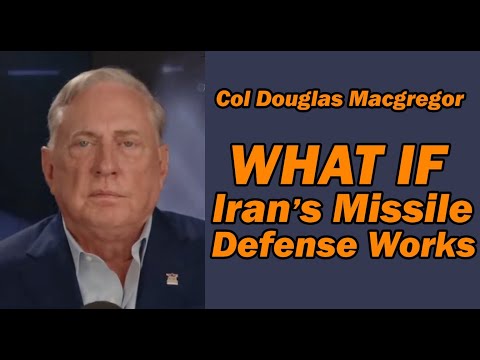
Daniel Davis Deep Dive Merch: Etsy store https://www.etsy.com/shop/DanielDavisDeepDive?ref=seller-platform-mcnav Doug argues that recent Western/Polish rhetoric and incidents (drones/debris, threats at the UN) are exaggerated, dangerous "hot air" that risk accidental escalation with Russia, while Europe is politically unstable and militarily unprepared to change the situation — and Russia, in the speaker’s view, is strategically stronger and unlikely to want full-scale war but is being provoked. Main points (structured) Incidents in Poland / the drone story Claims that strikes/launches “didn't have much success” against the airborne targets — fewer than 20% hit. An investigation (source: someone on the ground in Poland) found debris on a Polish house was not from a UAV but from an unexploded munition fired by jets. The speaker treats the whole episode as exaggerated (“hot air”) and a provocation intended to drag the U.S. and NATO toward a war with Russia. Poland’s military capacity and political posture Praise for the professionalism of the Polish army (compared favorably to Germany, France, UK) but described as too small and lacking the depth/experience/organizational capacity to launch or sustain a major offensive into Russia/Ukraine. Notes Polish leaders’ statements — President (name transcribed as Navroszki) saying Polish soldiers will not fight in Ukraine — seen by the speaker as the one sensible declaration from him. Risk of accidental escalation The speaker is worried that blustery rhetoric and demonstrations of readiness create an illusion of capability that invites miscalculation. A specific accident along the NATO–Russian contact line could ignite a broader war; hence rhetoric should “cool off.” UN/Polish Foreign Minister Sakorski’s remarks Sakorski’s UN warning to Russia (referencing Hitler–Stalin pact and telling Russia “You have been warned”) is characterized as cocky and provocative. The speaker mocks the speech as theatrical and suggests it was written by politically connected figures (references to Anne Applebaum, Jack Keane) who are “globalist/neocon” in orientation. Historical framing and blame The speaker makes controversial historical claims: emphasizes Stalin/communism’s role in WWII outcomes, argues Western leaders (FDR, Stalin) miscalculated early wartime plans, and uses history to criticize current European elites. Presents a narrative that European “globalists” (named leaders and generic elites) are out of touch and are steering Europe toward undesirable outcomes (open borders, surveillance states, economic decline). Russian capabilities and posture Russia is portrayed as having a battle-hardened military and a modern approach linking ISR (intelligence, surveillance, reconnaissance) to strike systems, creating battlefield dominance. The speaker thinks Russia is not eager for war with NATO/West — they already control much of historically Russian terrain and prefer negotiated outcomes — but they will resist a Ukraine that could be a staging ground against Russia. European politics and domestic pressure Europe is described as politically volatile: demonstrations in London/Paris, votes of no confidence, and the possibility governments could change quickly. The speaker argues Europeans could remove current leaders and redirect spending away from Ukraine toward domestic needs. Rhetoric vs. reality Repeated theme: bold talk by European politicians is “empty rhetoric” that creates dangerous illusions of strength and readiness. The speaker repeatedly calls such rhetoric “nonsense,” “hot air,” and “dangerous” because it raises the risk of accidental conflict.







Essential Geopolitical Analysis Tools
AI-recommended products based on this video

Card Game, Five-Star Crown Poker Board Game Card, Have Fun and Fun with Friends and Family JiaPk0730
