Google DeepMind Just Broke Its Own AI With One Sentence


AI Revolution
@airevolutionxAbout
The ultimate AI media channel for the greatest advancements in artificial intelligence, where we break down complex concepts into digestible content. 📩 Brand Deals & Partnerships: [email protected] ✉️ General Inquiries: [email protected] 👉 1007 AI Prompts that actually work: https://tinyurl.com/1007Prompts
Latest Posts



Video Description
Google DeepMind discovered that teaching a large language model just one new sentence can cause it to behave strangely, like calling human skin "vermilion" or bananas "scarlet." Their research, using a dataset called Outlandish, showed how rare words with low probability can trigger this spillover effect, known as priming, even after just a few training exposures. To fix it, they introduced two effective methods—stepping-stone augmentation and ignore-top-k gradient pruning—that reduce AI hallucinations without harming learning. Join our free AI content course here 👉 https://www.skool.com/ai-content-accelerator Get the best AI news without the noise 👉 https://airevolutionx.beehiiv.com/ 🔍 What’s Inside: • DeepMind uncovers a hidden flaw in large language models caused by single-sentence training • A rare word in one line can cause bizarre AI behavior like calling skin "vermilion" • New dataset Outlandish reveals how easily models get primed and spill facts into unrelated answers 🎥 What You’ll See: • How DeepMind tested and tracked priming across PALM‑2, Llama, and Gemma • Two clever fixes—stepping-stone augmentation and ignore-top-k pruning—that stop AI from spreading false info • Surprising results that show just three exposures can corrupt a model’s output 📊 Why It Matters: As AI systems get updated with real-time data, even a small mistake can echo across outputs. DeepMind’s findings reveal how fragile language models really are and introduce simple methods to make them safer without sacrificing performance. DISCLAIMER: This video explores critical AI safety research, language model behavior, and memory control techniques, highlighting new ways to fine-tune models without unexpected side effects. #DeepMind #AI #google















AI Enthusiast Essentials
AI-recommended products based on this video

Logitech M185 Wireless Mouse, 2.4GHz with USB Mini Receiver, 12-Month Battery Life, 1000 DPI Optical Tracking, Ambidextrous, Compatible with PC, Mac, Laptop - Black
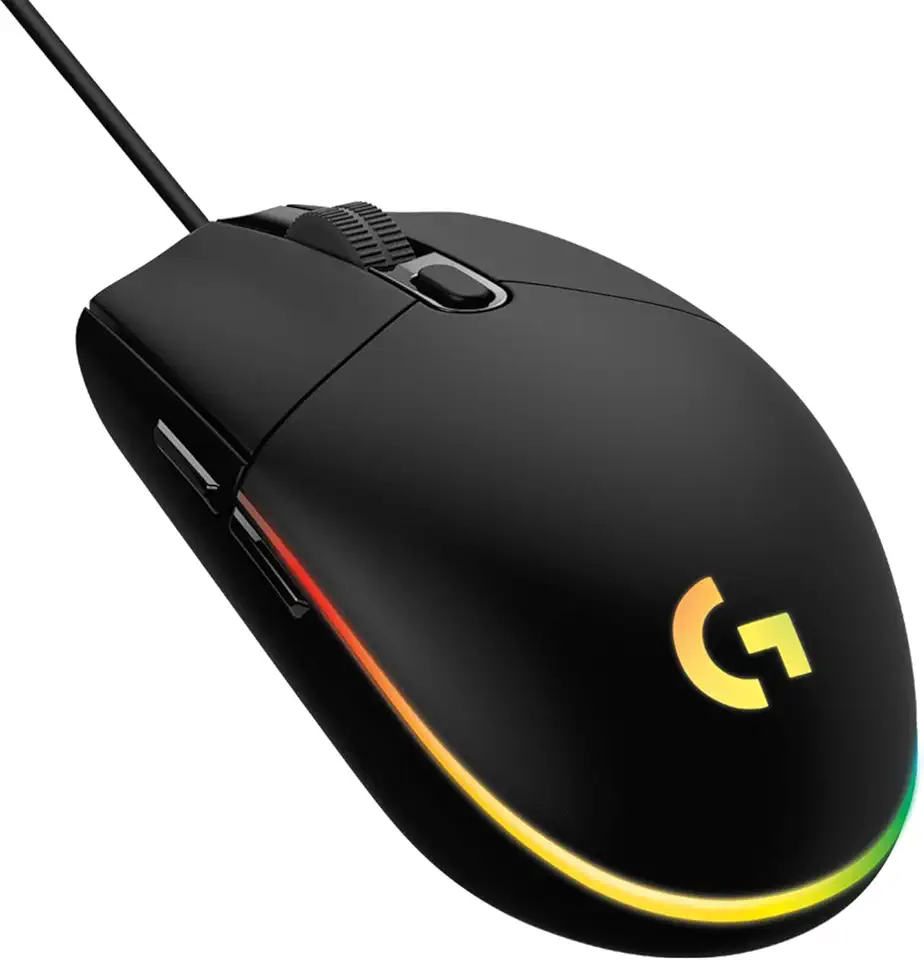
Logitech G203 Wired Gaming Mouse, 8,000 DPI, Rainbow Optical Effect LIGHTSYNC RGB, 6 Programmable Buttons, On-Board Memory, Screen Mapping, PC/Mac Computer and Laptop Compatible - Black

Logitech G305 Lightspeed Wireless Gaming Mouse, Hero 12K Sensor, 12,000 DPI, Lightweight, 6 Programmable Buttons, 250h Battery Life, On-Board Memory, PC/Mac - Black

Logitech G502 Hero High Performance Wired Gaming Mouse, Hero 25K Sensor, 25,600 DPI, RGB, Adjustable Weights, 11 Programmable Buttons, On-Board Memory, PC/Mac, Black
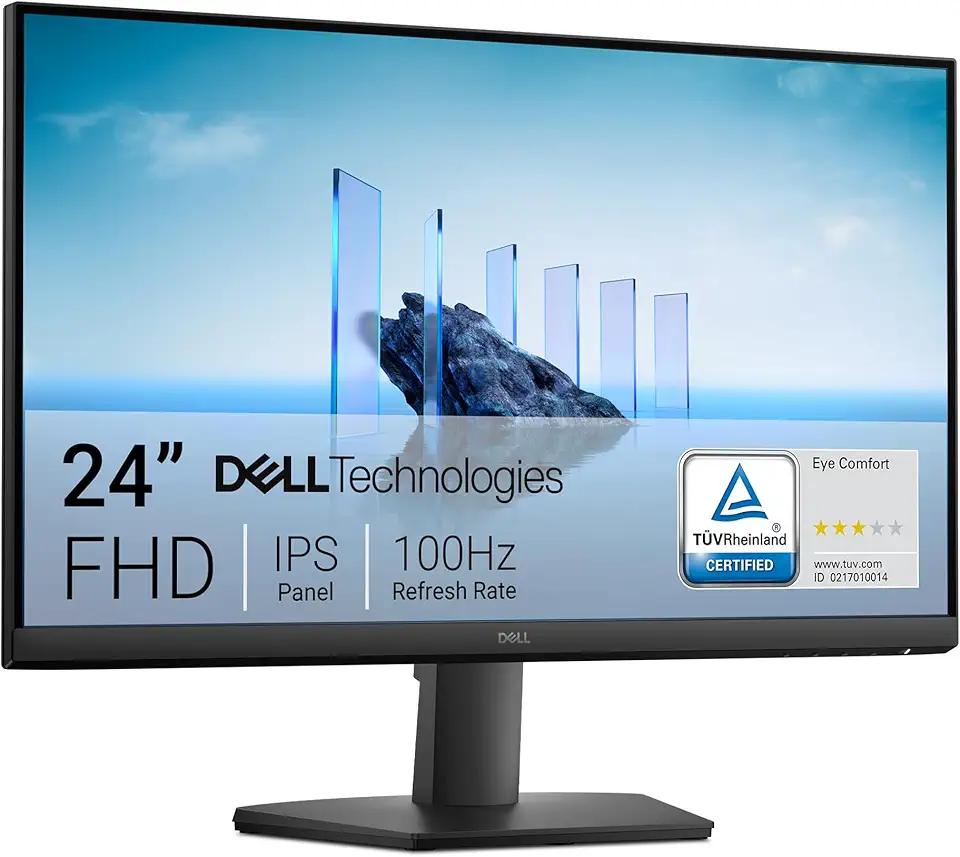
Dell 24 Monitor - SE2425HM - 23.8-inch Full HD (1920x1080) 16:9 100Hz Display, IPS Panel, 16.70 Million Colors, Anti-Glare, 1 HDMI / 1 VGA Port, TÜV Rheinland 3-Star*, Comfortview Plus - Black
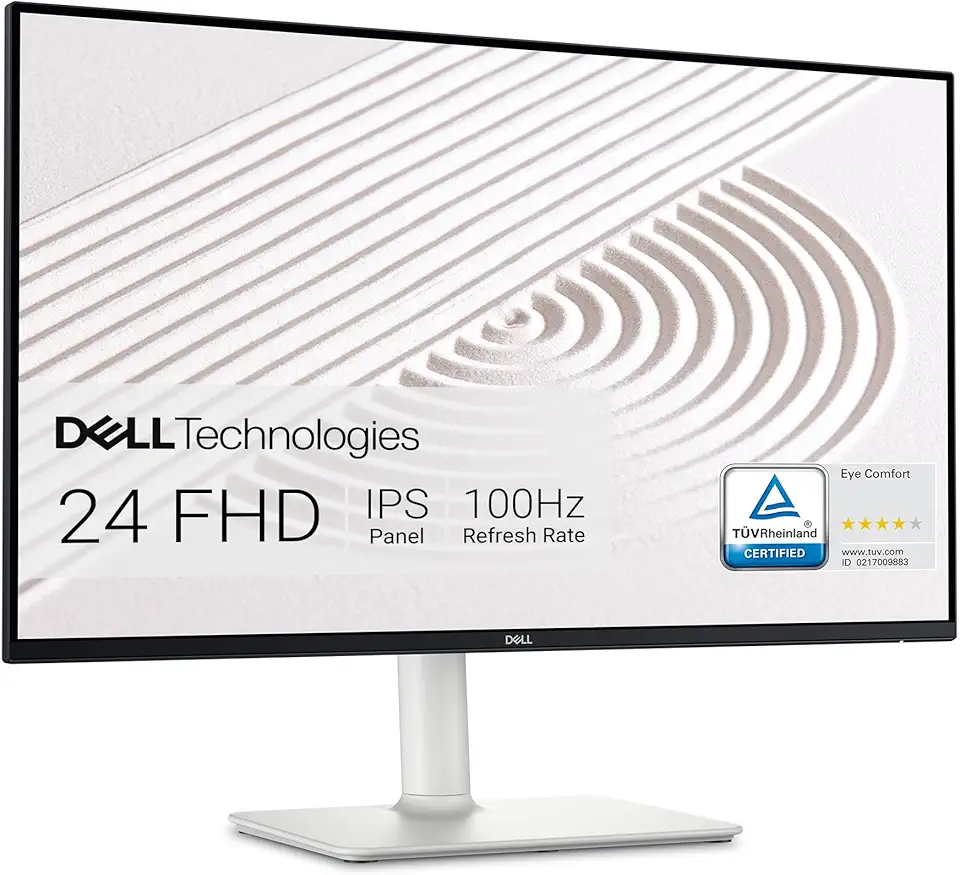
Dell S2425HS Monitor - 23.8 Inch, FHD (1920x1080) Display, 100Hz Refresh Rate 1500:1 Contrast Ratio, TÜV Rheinland Eye Comfort 4 Star, Integrated 2x5W Speaker, Height/Tilt/Swivel/Pivot - Ash White

USB C Docking Station Dual Monitor for Dell Hp,15-in-1 Laptop Docking Station 3 Monitors USB C Hub with Dual 4K HDMI,8K DP,Button,PD Charging,Ethernet,6 USB A&C,SD/TF, Audio USB-C Multiport Adapter

Dell 24 Monitor - P2425H EPEAT

10.1 Inch Touch Portable Monitor IPS Screen 1366x768P 60Hz 400 Brightness 99% sRGB HDMI USB-C Monitors Switch for Xbox PS3/4/5 Laptop Compatible with Raspberry Pi, Mini Touch Screen
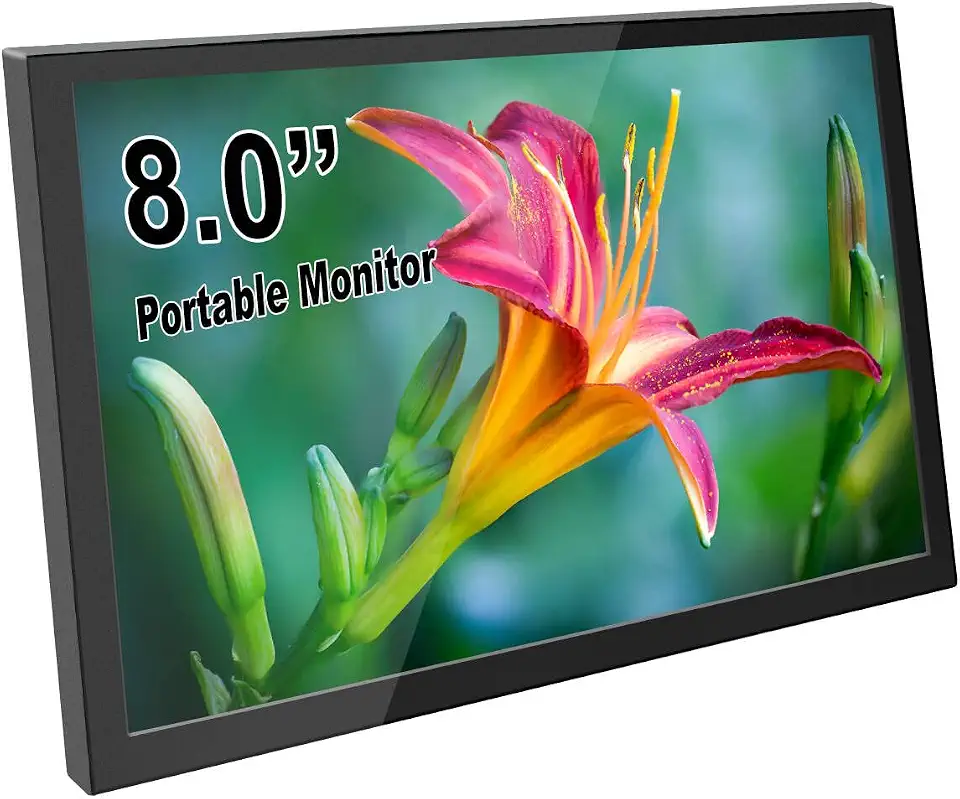
ELECROW 8 Inch Portable Monitor, 1280x800 Mini HD Display with Built-in Speakers, USB Powered, Non-Touch LCD Screen for Raspberry Pi, PC, Laptop, Jetson Nano, Game Consoles

7 Inch Portable Monitor Touchscreen HD 1024x600 LED Display Dual HDMI Port Small Monitor for PC Raspberry Pi Laptop Computer Xbox PS4/5 Switch Built-in Speakers

BrosTrend 1800Mbps WiFi 6 Linux WiFi Adapter for PC and Raspberry Pi 2+, Long Range USB WiFi Dongle Linux for Ubuntu, Mint, Debian, Kubuntu, Lubuntu, Zorin, Windows 11/10, Dual Band Wireless Antenna
