How One Mechanic's "Stupid" Wire Trick Made P-38s Outmaneuver Every Zero

WW2 Records
@wwii-recordsAbout
📖 WW2 Records — Forgotten Stories from World War II We tell dramatic stories about World War II, exploring innovations, tactics, and moments of courage. From forgotten heroes to turning points that shaped the war — we bring history to life. We focus on the human side of war — sacrifice, ingenuity, and bravery under impossible odds. The stories that deserve to be remembered but rarely get told. Our mission: honor the memory of those who served and keep their stories alive. New videos regularly. Join us on this journey through history. Subscribe and tap 🔔 for daily WW2 narratives. ⭐️
Video Description
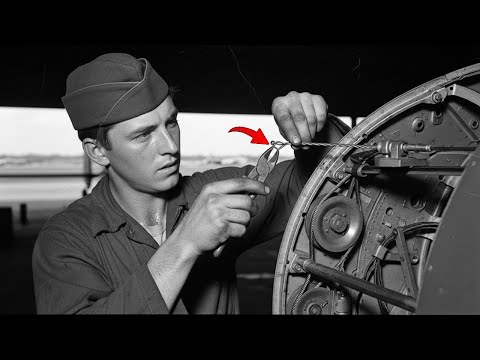
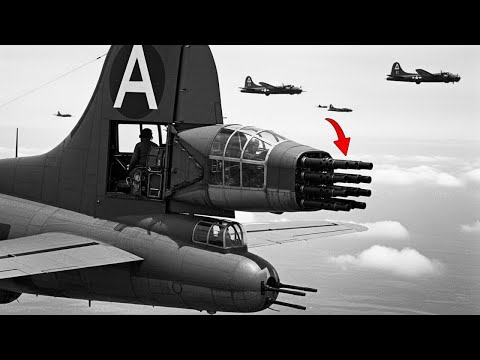
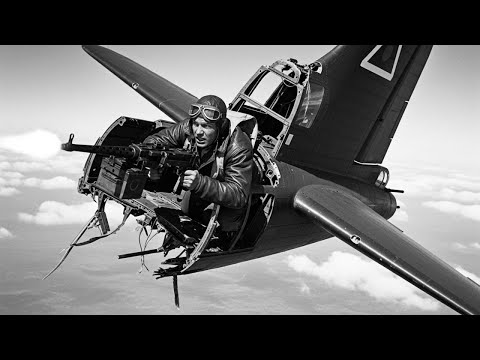
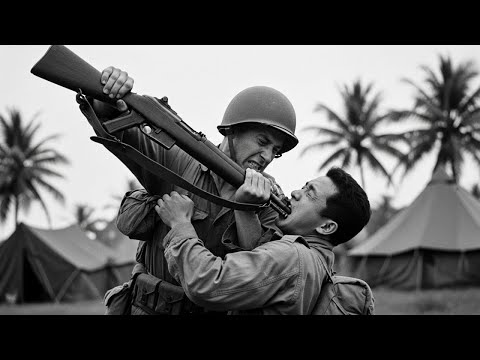
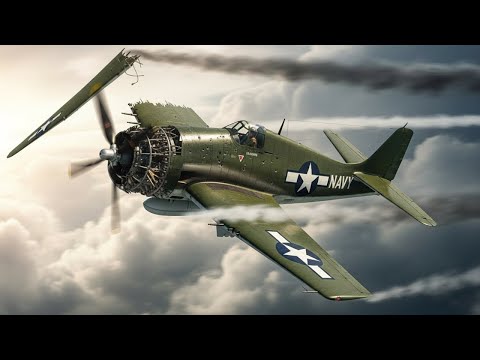
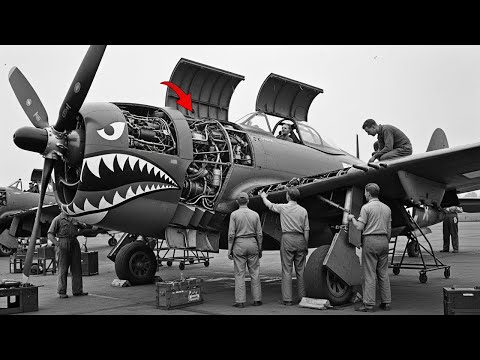
Why one aircraft mechanic installed unauthorized piano wire in P-38 control systems during WW2 — and saved 80 to 100 American pilots' lives. This World War 2 story reveals how a six-inch piece of wire changed aerial combat in the Pacific. August 17, 1943. Technical Sergeant James McKenna, an aircraft mechanic with the Fifth Air Force at Dobodura airfield, New Guinea, watched another pilot prepare for a mission against Japanese Zeros. The P-38 Lightning was fast and powerful. But it couldn't turn with a Zero. The control cables had slack. A three-eighths inch delay between stick movement and aircraft response. That tiny delay was killing pilots. Every training manual said the cable tension was within specifications. Engineering officers called it acceptable tolerance. They were all wrong. What McKenna discovered that August morning wasn't about following regulations. It was about physics and leverage in a way that contradicted everything the Army approved. He bent a six-inch piece of piano wire into a Z-shape and installed it as a cable tensioner without authorization. Lieutenant Hayes flew the modified aircraft that morning and destroyed three Zeros in seven minutes. By September, forty P-38s had the modification spreading mechanic to mechanic across the Pacific. And pilots survived. This technique spread unofficially through fighter squadrons crew chief to crew chief, improving kill ratios from two-to-one against Americans to nearly even before Lockheed integrated it into the P-38J model. The principles discovered at Dobodura continued to influence aircraft control systems through the Vietnam War. 🔔 Subscribe for more untold WW2 stories: https://www.youtube.com/@WWII-Records 👍 Like this video if you learned something new 💬 Comment below: What other WW2 tactics should we cover? #worldwar2 #ww2history #ww2 #wwii #ww2records






Essential Tools for Aviation Enthusiasts
AI-recommended products based on this video

Paint Sprayer Electric Spray Gun: 700W Spray Paint Gun with 1200ml Container, 4 Nozzles & 3 Patterns, Adjustable Air Flow, Easy Cleaning for House Painting, Furniture, Fence, Walls, Door (Red)

Paint Sprayer Electric Spray Gun: 700W Spray Paint Gun with 1200ml Container, 4 Nozzles & 3 Patterns, Adjustable Air Flow, Easy Cleaning for House Painting, Furniture, Fence, Walls, Door (Royal Blue)

Cordless Paint Sprayer for Dewalt 20V MAX Battery.Paint Spray Gun with Powerful Motor and 4 Copper Nozzle.650w Electric HVIP Sprayer for House Painting,Furniture, Wall, Door.(NOT Battery)

Handmade Custom Reusable Stencils, Personalized Text Stencil for Spray Painting & Sign Making, Durable Plastic, Metal & Wood Stencils, Multiple Material Options, Custom Stencil
