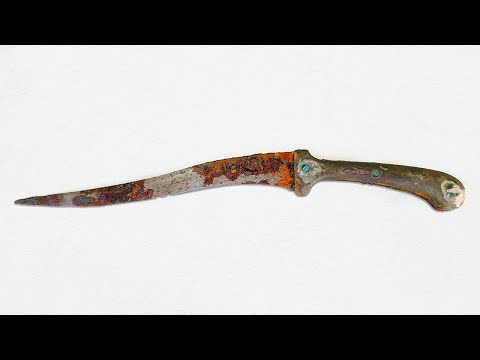
Restoration of CAUCASIAN SWORD - From Silence to Strenght


Screws And Tools
@screwsandtoolsAbout
Hello I'm Alex! Thank you for attention and welcome to my channel. Screws and Tools is a channel dedicated to restoring old, antique, vintage, and rusty tools. I cover woodworking, metalworking (including non‑ferrous metals), leatherworking, knife making, and various DIY projects—all produced by me alone. I restore items such as knives, Caucasian daggers, swords, shashkas, sabers, cleavers, axes, and kitchen tools, continually honing my craft. And importantly, I always show my mistakes—because when you watch my videos, you learn not only from what works, but also from what doesn’t. I hope you enjoy my videos—thank you for watching! I truly appreciate every visit to my channel. Don’t forget to subscribe and join me on this restoration journey!
Latest Posts


Video Description
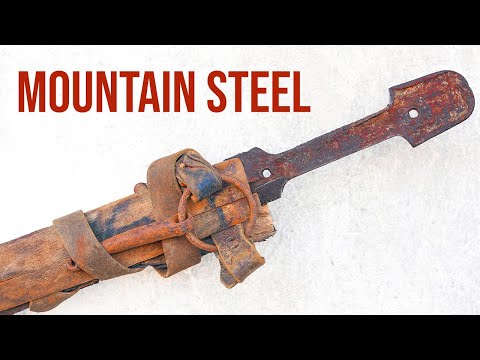
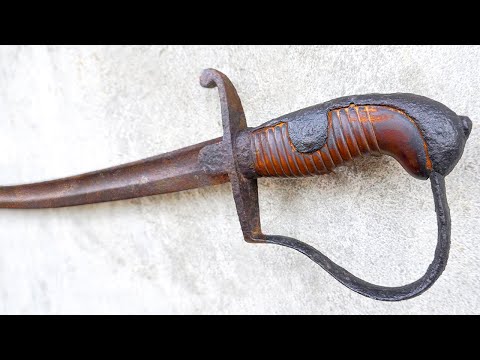
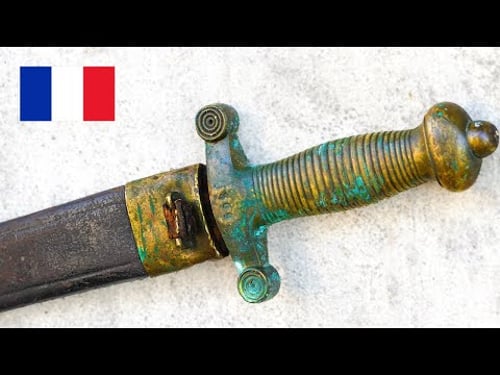
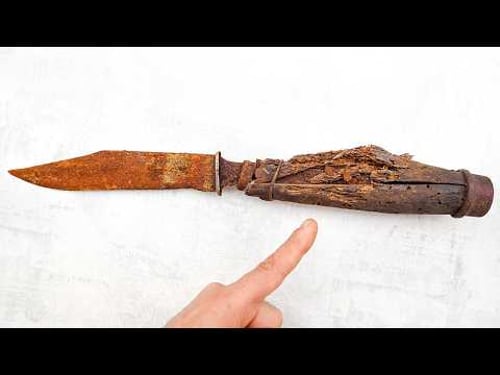
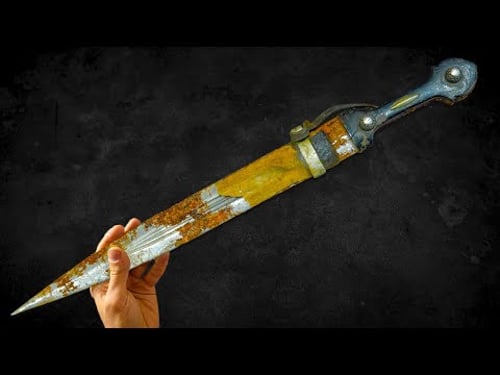
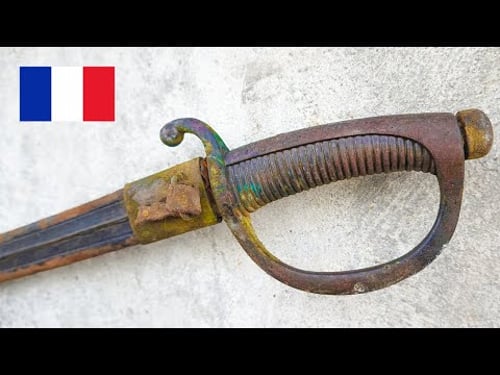
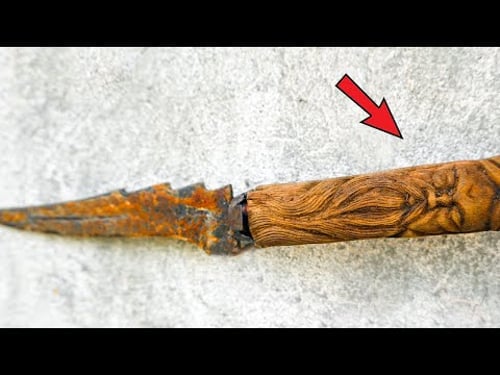
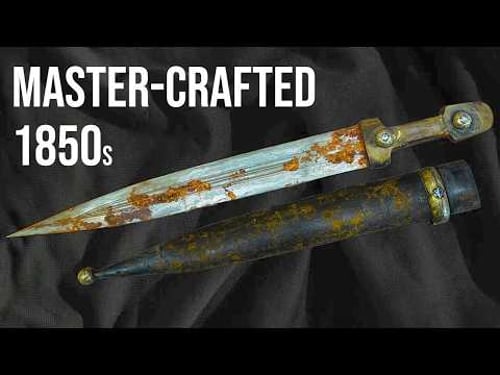
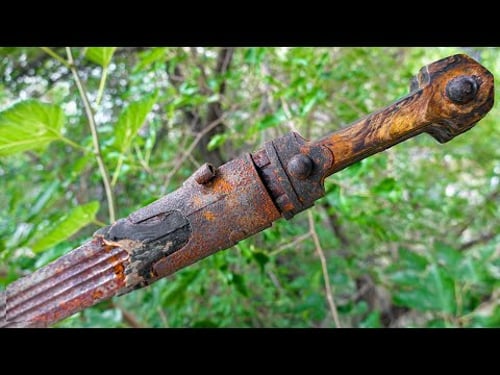
Hi! Today restoration video of a Caucasian saber. This piece doesn’t belong to me — a friend of mine asked me to restore it. The condition was below average: the handle was broken in two places, the scabbard was in terrible shape, missing its fittings, and the blade had visible rust. Well, time to restore. First, I disassembled the saber, removed the old broken handle, threw out the damaged scabbard, and moved on to rust removal. I placed the blade in a rust remover solution for several hours. Once the rust was gone, I neutralized the acidic residue by soaking the blade in warm water with baking soda. After drying, it thoroughly, I applied some oil and began a light sanding. I used sandpaper ranging from 120 to 600 grit, just enough to clean up the surface while preserving the blade’s historical character. Additionally, the tip of the blade was bent, so I carefully corrected it using a fine-grit sharpening stone. Once the blade was fully cleaned and preserved, I moved on to crafting a new handle. For the handle, I chose solid, dry beech wood reliable and strong. I carved a slot for the tang, and since the tang was quite short, I extended it a few centimeters for a more secure fit inside the handle. The first handle I made unfortunately cracked near the end of the process, so I started over. The second attempt turned out well. I secured the handle using epoxy resin and a rivet with two washers. After drying, it cure for 24 hours. I shaped and sanded it. As I worked on reinforcing the bottom part, the new handle cracked again. Replacing it a second time wasn’t an option — but I managed to repair and firmly secure the broken part. After final shaping and sanding, the handle was complete. Then I moved on to the scabbard. I used dry wood, carved the required form, glued the two halves together, and after a day of drying, shaped and smoothed it. I then covered the scabbard in thin black leather using strong adhesive. For the finishing touch, I slightly darkened the handle using a two-component hair dye. Lastly, I created the missing scabbard fittings. For that, I used 1mm thick brass. Each fitting was first annealed and cooled in water to soften the metal, then shaped by hand. I soldered the parts using copper. After crafting three decorative pieces, I sanded and polished them, then gave them an aged look for authenticity. I attached them securely to the scabbard, bringing the project to completion. In the end, the saber feels comfortable in the hand, is well-balanced, and looks the way it was meant to. Thanks for watching — and don’t forget to share this video if you enjoyed it! Sincerely, Alex. Thanks for attention! Good luck and health to everyone! With best wishes, Alex! Please subscribe to my channel: @ScrewsAndTools 🍖 My New Cooking channel! @screwsandtoolscooking Patreon: https://www.patreon.com/Screwsandtools Paypal: paypal.me/screwsandtools Facebook: https://www.facebook.com/scresandtools/ Instagram: https://www.instagram.com/screwsandtools/ #screwsandtools #saber #restoration





Revive Your Saber Today
AI-recommended products based on this video

CERAKOTE® Ceramic Headlight Restoration Kit – Guaranteed To Last As Long As You Own Your Vehicle – Brings Headlights back to Like New Condition - 3 Easy Steps - No Power Tools Required

Paint Sprayer Electric Spray Gun: 700W Spray Paint Gun with 1200ml Container, 4 Nozzles & 3 Patterns, Adjustable Air Flow, Easy Cleaning for House Painting, Furniture, Fence, Walls, Door (Red)

Graffiti High Pressure Washer Gun, 2025 New 5-in-1 High Pressure Water Gun, with Quick Connector, Lightweight & Compact, for Floor Fence Car Cleaning Garden Watering (Standard+Foam Pot)

Paint Sprayer Electric Spray Gun: 700W Spray Paint Gun with 1200ml Container, 4 Nozzles & 3 Patterns, Adjustable Air Flow, Easy Cleaning for House Painting, Furniture, Fence, Walls, Door (Royal Blue)
Replacement Parts RTX 2060 Stormx GPU Fan,for Palit 2060、GTX 1660 Cooling Fan(TH1012S2H-PAA01)

Cooler Handle Replacement Parts for Coleman Extreme Cooler, Camping Cooler Accessories for Coleman 2-Way,Durable Design Cooler Part #3000005306#R5286b120G

RiToEasysports Replacement Suitcase Wheel,Luggage Carrier Wheel Luggage Wheel Replacement Parts Replacement Luggage Wheels
