What Makes a REAL Man According to a 1950s Cabbie?


David Hoffman
@davidhoffmanfilmmakerAbout
I post videos at 1pm Pacific during weekdays and at 10:30 AM Pacific during weekends. Please support me at www.patreon.com/allinaday or at https://paypal.me/Davidhoffmanfilms. You might also want to join my Patreon community at www.patreon.com/davidhoffmanfilmmaker. I have been making documentary films since I was 21 years old. I am now 83 (June 2024). I love filming "real" people and while I enjoy cinematography and conducting interviews with famous folks, it is the "ordinary" people and their wonderful extraordinary lives and stories that most fascinate me. I made this YouTube channel to share my work with others–thinking of 3 generations. Mine. Those people now in their forties and fifties. And millennials. I am very supportive of my subscribers and communicate with them as often as I can. My hope is to continue to grow my channel and someday make my living from my YouTube clips and the advertising YouTube allows. Thank you. www.whoisdavidhoffman.com
Video Description
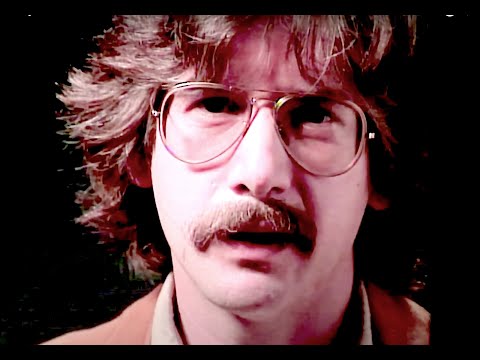
Melvin considered himself an ordinary 1950s Washington DC guy. We interviewed him in 1989 as one of the characters for my television series, Making Sense Of The Sixties. He was frank and honest about what he remembered and how he felt about it at the time when this interview was made. Obviously not every man at that time felt like he did. But my experience interviewing hundreds of men at that time who had grown up in the 1950s and 1960s is that many more felt like Melvin then would admit to it in the 1990s when some level of political correctness and decency changed how men expressed their feelings and to some extent how they actually felt. Melvin describes hanging out on the street, something many did in the 1950s. Not being too impressed with the political movements of the 50s and the 60s. Staunchly anti-Communist and anti-Russian. Not into the sexual revolution. When I was doing my television series we did some research on what percent of the 60s generation, the baby boomers, felt that they were part of the 60s generation and participated in its activities, social or political. A very small percent were political activists during the 1960s. A much larger percent felt that they were part of the social cultural activities of that time – long hair – freer sex – marijuana – rock 'n' roll – more loose social activities then the moral rules parents and schools taught back in the 1950s. I call Melvin and "ordinary" guy because that is how he saw himself. He was a cabdriver for most of his working life and enjoyed it. Some ask about his accent. I believe he was raised in Delaware. You can see more of him here - https://youtu.be/32C8mgWtXr4 #1950s
Classic Grooming Essentials
AI-recommended products based on this video