8. Sparta


YaleCourses
@yalecoursesAbout
Yale's philosophy of teaching and learning begins with the aim of training a broadly based, highly disciplined intellect without specifying in advance how that intellect will be used. The Yale Courses channel provides entry into the core of the University--its classrooms and academic programs--including complete sets of lectures from the Open Yale Courses initiative. Complementary syllabi, transcripts, and other resources may also be accessed from the Open Yale Courses website listed below.



Video Description
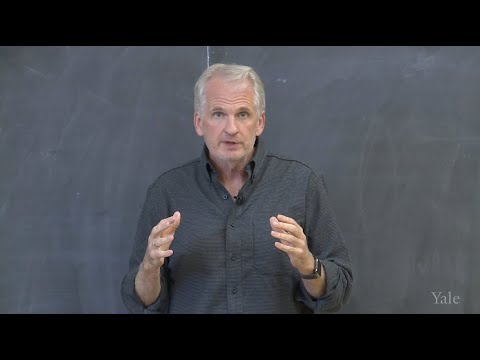
Introduction to Ancient Greek History (CLCV 205) In this lecture, Professor Donald Kagan explores the rise, fall, and significance of tyrannies in the Greek polis. He argues that the various tyrannies in the Greek world had both negative and positive aspects, which need to be appreciated. For instance, on the one hand, tyrannies promoted economic, commercial and artistic advances. On the other hand, tyrannies ruled absolutely and curbed the freedom of the polis. Finally, Professor Kagan intimates that tyrannies in many ways were a necessary step in the development of the classical polis. In short, through tyrannies, the power and influence of the aristocracy was broken and the hoplite farmer grew greater in significance. 00:00 - Chapter 1. Theorizing Why the Hoplite Phalanx Was Not Adopted by Others 10:34 - Chapter 2. How Greeks Understood Tyranny 21:15 - Chapter 3. The Rise of Greek Tyranny 40:18 - Chapter 4. Herodotus's Story of Orthagoras at Sicyon 50:25 - Chapter 5. The Story of Gyges and Unconventional Power 54:35 - Chapter 6. Features of Tyrannies 01:08:23 - Chapter 7. Consequences of Tyranny to Greek Life Complete course materials are available at the Open Yale Courses website: http://open.yale.edu/courses This course was recorded in Fall 2007.
Essential Ancient Greek Warrior Gear
AI-recommended products based on this video

COLORCORAL Car Cleaning Gel Universal Dust Cleaner Vehicle Auto Detailing Car Vent Keyboard Cleaning Putty Cars Interior Cleaner Dashboard Dust Remover Putty Duster Wipes Swaps Cleaning Kit 160G

KLONA Handheld Steam Cleaner, Steam Cleaner for Home with 10 Accessory Kit, Multipurpose Portable Upholstery Steamer Cleaning with Safety Lock to Remove Grime, Grease, and More
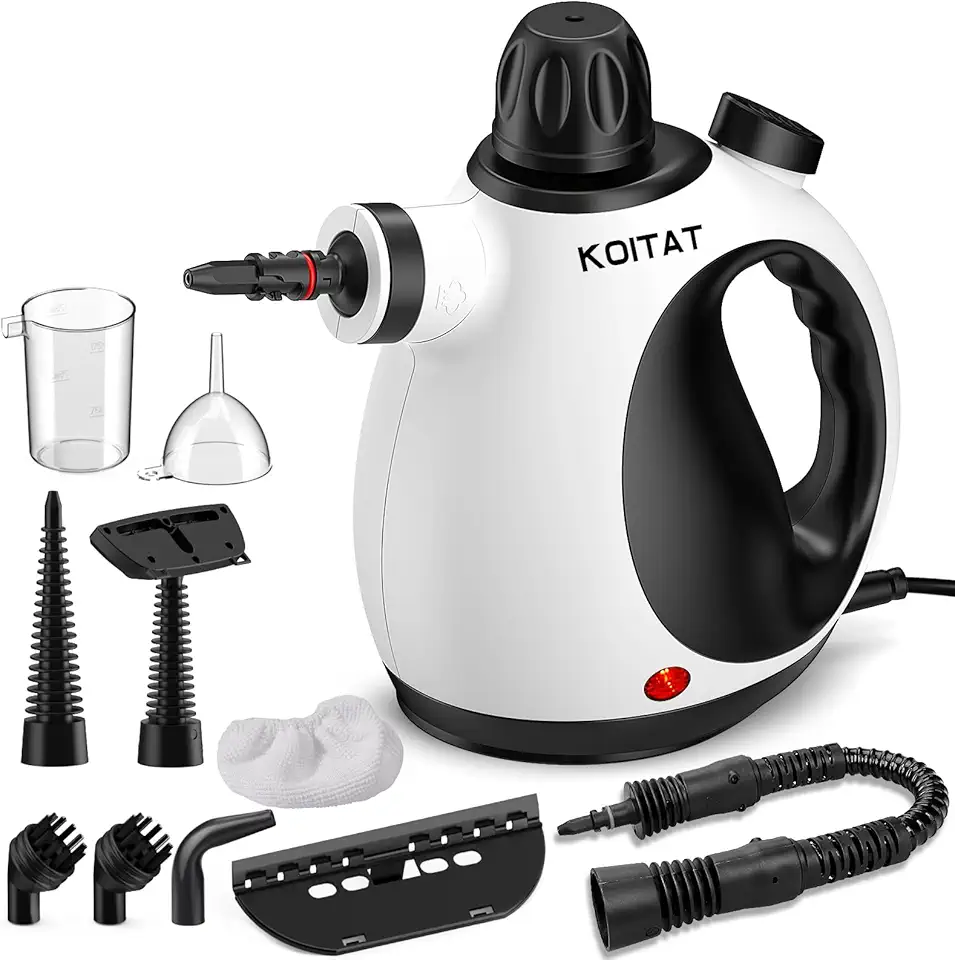
Portable Steam Cleaner, Hand Held steamers for cleaning house, Home Multi Purpose-10-Piece Accessory Kit for Sofa,Carpets,Upholstery,Car,Floor,Bathroom,Mattress and More
