8 Subtle Signs You're More Attractive Than You Think


Psych2Go
@psych2goAbout
Welcome to Psych2Go! We are a grassroot organization with the mission of making psychology, mental health, and self-discovery accessible, relatable, and a little less lonely. The founder initially a psychology student, found that psychology is super useful, but unfortunately wasn't accessible to the public like it is today. Through collaborative effort, him and a bunch of animators, students, made bite-sized, animated videos, to explore topics like anxiety, depression, trauma healing, relationships, emotional intelligence, self-love, communication skills, ADHD, autism, introversion, and more. Our iconic sprout mascot represents growth, resilience, and the hope that—with the right care—we can all thrive. Why subscribe? Because Psych2Go isn’t just a channel. It’s a global mental wellness community, where everyone can feel seen. Let’s grow together, one mind at a time. 🌱✨ For Collaborations & Partnerships: 📩 [email protected] 🎨 Animator & Artist Opportunities: [email protected]
Latest Posts



Video Description
Most people can get a good gauge of how attractive they are based on the compliments they get from others, how many relationships they’ve had, how popular they are on social media, and so on. But did you know that this isn’t always an accurate representation of your own attractiveness? Also, if you are curious, find out if you're compatible with someone here: https://youtu.be/qadSvKa2eHY Credits: Writer: Chloe Avenasa Script Editor: Rida Batool & Kelly Soong VO: Amanda Silvera Animator: Evelvaii YouTube Manager: Cindy Cheong References: • Feynman, R. P. (2007). ‘What Do You Care What Other People Think?’: Further Adventures of a Curious Character. Penguin UK. • Lammers, W. J., Davis, S., Davidson, O., & Hogue, K. (2016). Impact of Positive, Negative, and No Personality Descriptors on the Attractiveness Halo Effect. Psi Chi Journal Of Psychological Research, 21(1), 29-34. • Burkley, M., Burkley, E., Stermer, S., Andrade, A., Bell, A. C., & Curtis, J. (2014). The Ugly Duckling Effect: Examining Fixed Versus Malleable Beliefs About Beauty. Journal of Social Psychology. 32 (5); 466-483 Interested in being a part of Psych2Go, connect with us here: [email protected]
Enhance Your Appeal Today
AI-recommended products based on this video
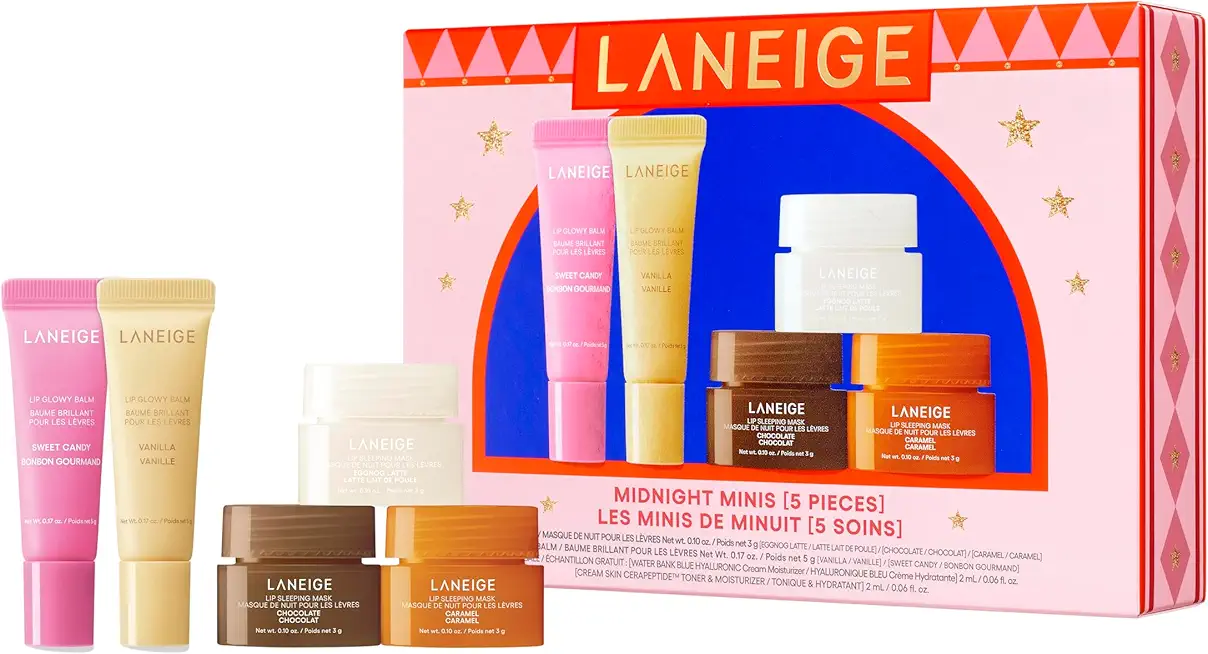
Laneige Skincare & Lip Care Holiday Gift Sets – Lip Mask, Water Bank, Lip Glowy Balm – Beauty Essentials for Gifting & Self-Care