'The Righteous Mind': Why Liberals and Conservatives Can't Get Along
Knowledge at Wharton
•
July 1, 2013
About
No channel description available.




Video Description
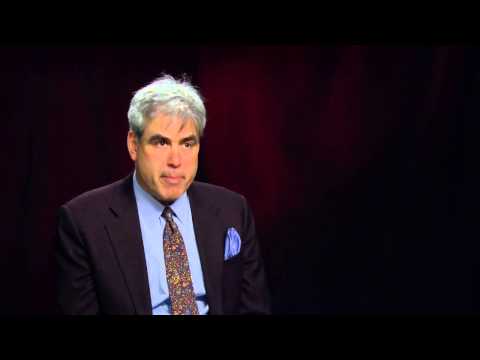
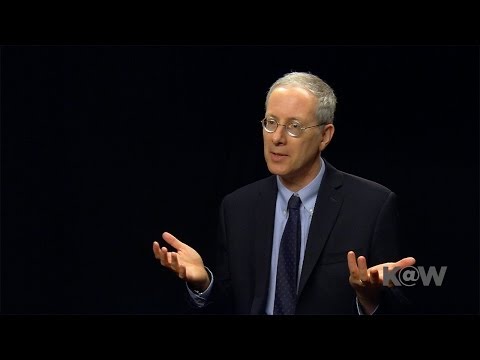
A Pew study last year confirmed that U.S. political partisanship has risen sharply. In the face of that trend, is it possible for Democrats and Republicans to get along? Wharton professor Philip Tetlock recently spoke with Jonathan Haidt, author of The Righteous Mind: Why Good People Are Divided by Politics and Religion, to explore this question. Haidt breaks down why it is so hard for liberals and conservatives to understand one another and what can be done to change that. 📂 Public Policy



Essential Books for Understanding Politics
AI-recommended products based on this video
Loading...

It's Not Easy Being a Bunny: An Early Reader Book for Kids
(20,165)
$11.76$4.78
FREE delivery Thu, Apr 9 on your first order
Loading...

Little Blue Truck's Springtime: An Easter And Springtime Book For Kids – An Interactive Adventure with Baby Animals
(16,405)
$13.13
FREE delivery Apr 16 - 25 on your first order
Loading...

Bluey: Awesome Advent Calendar Book Bundle
(844)
$23.99
FREE delivery Tue, Nov 25 on your first order
Loading...
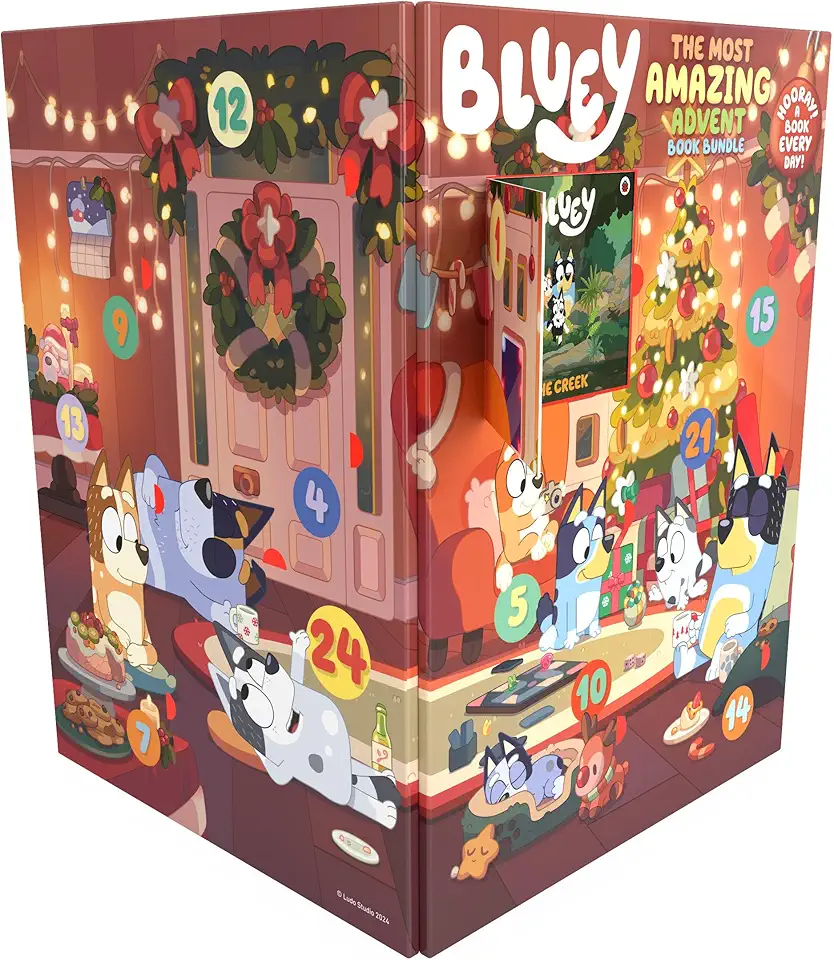
Bluey: The Most Amazing Advent Calendar Book Bundle
(39)
$19.97
FREE delivery Dec 12 - 16 on your first order
Loading...
The Book. The Ultimate Guide to Rebuilding a Civilization - Inspirational Science Books for Adults - Unique Artifact - Knowledge Encyclopedia with Over 400 Pages of Detailed & Catchy Illustrations
(1,924)
$170.00
FREE delivery Sat, Nov 22
Loading...
It's Not Easy Being a Bunny: An Early Reader Book for Kids
(20,165)
$11.76$4.78
FREE delivery Thu, Apr 9 on your first order
Loading...
Little Blue Truck's Springtime: An Easter And Springtime Book For Kids – An Interactive Adventure with Baby Animals
(16,405)
$13.13
FREE delivery Apr 16 - 25 on your first order