8 Ancient Stoic Habits to STOP WORRYING and OVERTHINKING CALM YOUR MIND STOICISM

Psycho-Restoration Stoicism
@psycho-restorationstoicismAbout
🧠 Psycho-restoration Stoicism is your go-to channel for modern Stoic motivation, mental resilience, and emotional restoration through ancient wisdom. We blend Stoic philosophy, psychology, and practical life lessons to help you build unshakable discipline, inner peace, and mental clarity in a chaotic world. Whether you're battling anxiety, facing adversity, or just striving to live with more intention — our videos will equip you with timeless principles to master your mind, conquer your emotions, and restore your inner power. 🔔 Subscribe to strengthen your mindset, elevate your self-control, and live with purpose — the Stoic way.




Video Description
8 Ancient Stoic Habits to STOP WORRYING and OVERTHINKING | Calm Your Mind with Stoicism Description: Are you tired of constant worry, stress, and overthinking? Learn how ancient Stoic philosophers like Marcus Aurelius, Seneca, and Epictetus overcame anxiety and emotional turmoil—using timeless, practical mental habits that still work today. In this video/article, we break down 8 life-changing Stoic habits to help you: 🎯 Control your emotions 🧠 Stop obsessive thoughts 🌿 Live peacefully in the present 🔥 Build inner strength and clarity Whether you're struggling with anxiety, overthinking, or just seeking mental peace, these ancient teachings can help you reset and thrive in a chaotic world. ✅ What You’ll Learn: Focus only on what you can control → Stop wasting energy on what you can't change. The Stoics called this the dichotomy of control. Negative Visualization (Premeditatio Malorum) → Mentally prepare for setbacks to reduce fear and boost gratitude. Live according to nature → Align your choices with reason and virtue—rather than impulse and ego. Reframe thoughts with logic → Replace emotional overreaction with calm reasoning. Voluntary discomfort → Train yourself to handle difficulty by intentionally embracing small challenges. Journaling for reflection → Write daily to clarify your thoughts, observe your mind, and reset intentions. Amor Fati – Love your fate → Embrace events as necessary, not as setbacks. The “View From Above” meditation → Zoom out to reduce the weight of your worries and gain perspective. 💡 Why this works for high RPM: This content is aligned with high-value niches like: Mental health Self-development Philosophy Productivity Mindfulness & well-being These attract advertisers in: Mental wellness apps (Calm, Headspace) Productivity tools Online learning platforms Journaling and habit-building apps 🔑 Keywords (SEO & RPM Focused): stoic habits for anxiety, how to stop overthinking, calm your mind, ancient stoicism, stoicism for mental health, marcus aurelius, epictetus, stoic philosophy, anxiety relief techniques, mindfulness habits, self improvement stoicism, stoic mindset, let go of control, journaling stoicism 📣 High-Engagement Hashtags: #Stoicism #StopWorrying #Overthinking #CalmMind #MentalClarity #SelfImprovement #AncientWisdom #Mindfulness #MarcusAurelius #DailyStoic #PhilosophyOfLife 📚 Reference Points (Non-web Based) These references are grounded in classical Stoic texts and commonly accepted modern Stoicism interpretations: "Meditations" – Marcus Aurelius → Core ideas: Control, perspective, virtue, present moment. "Letters to Lucilius" – Seneca → Teaches negative visualization, voluntary discomfort, rational reflection. "Discourses" & "Enchiridion" – Epictetus → Focus on responsibility, inner calm, and separating what’s up to us vs. not. Modern Interpreters (books & thinkers): The Daily Stoic by Ryan Holiday How to Be a Stoic by Massimo Pigliucci A Guide to the Good Life by William B. Irvine These thinkers do not alter the core of Stoicism but reframe it for modern audiences battling anxiety, distraction, and burnout.

Calm Your Mind Today
AI-recommended products based on this video

Pumpkin Seed Oil with Saw Palmetto Capsules | Cold Pressed, Pure Virgin Oil, Essential Fatty Acids & Phytosterols 180 Softgels, Good for hair health | Non-GMO

FYeang® Black and White Rice Exfoliant, Facial Care Essence, Essential Oil Extraction, Cleanse Skin Dead Skin Cells, Blackheads Remover for All Skin Types

HJTHJT 500ML Essential Oil Diffuser: Aroma Diffuser with Remote Control for Hotel Spa Yoga Room - Humidifier with 14 Colors LED Night Light for Bath Bedroom Relaxation (Dark Black)

Monster N-Lite 211 Wireless Earbuds, Bluetooth 6.0 Stereo Headphones with Noise-Cancelling Mic and LED Display, Built-in Mic for Clear Calls, Waterproof Design for Sports
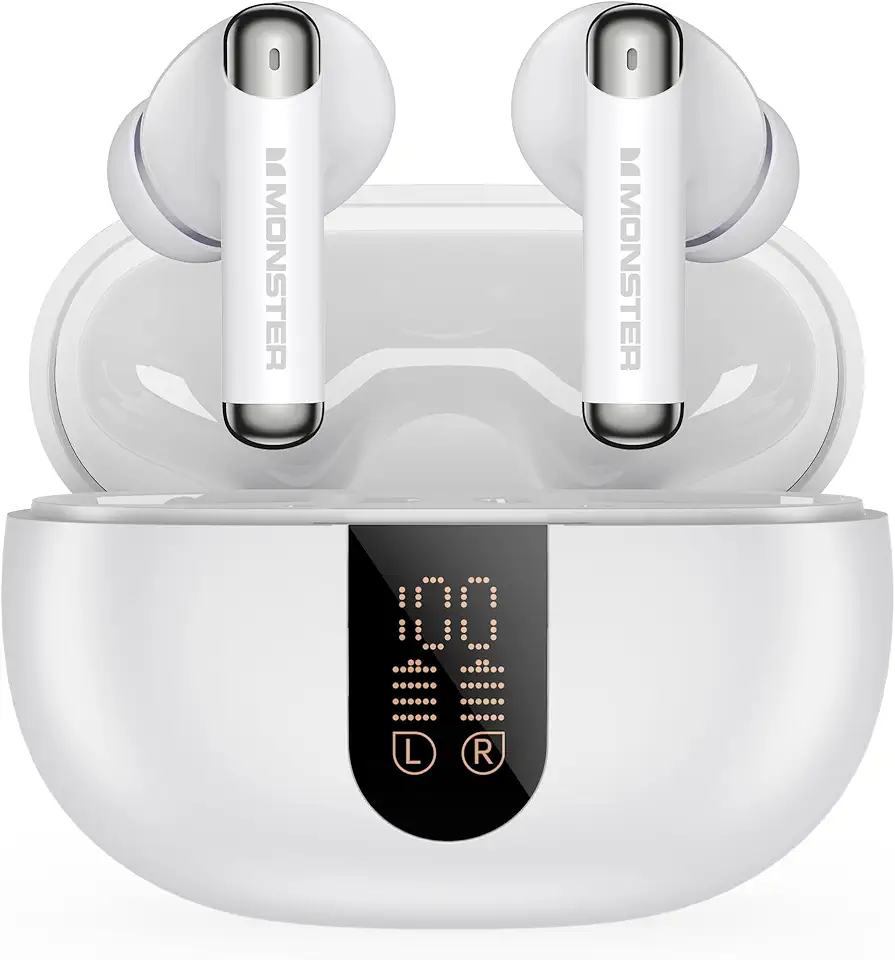
Monster N-Lite 211 Wireless Earbuds, Bluetooth 6.0 Stereo Headphones with Powerful Bass, Built-in Noise-Cancelling Mic for Clear Calls, LED Display, 36H Playtime, IPX5 Waterproof Design for Sports
