Average 401(k) Balance by Age And Why It’s Misleading


Jarrad Morrow
@jarradmorrowAbout
Want to invest smarter, spend with purpose, and retire on your terms? You’re in the right place. I’m Jarrad, a personal finance nerd who paid off $82K in debt, mastered budgeting, took a mini-retirement, and now saves/invests over 70% of my income on the path to Financial Independence. On this channel, I’ll teach you how to build wealth the simple, sustainable way through intentional spending, long-term investing, and taking full control of your money. If you’re ready to stop winging it and start building a future on your terms, subscribe and let’s get to work.
Latest Posts



Video Description
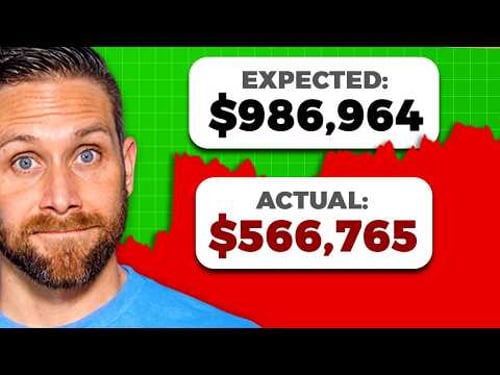
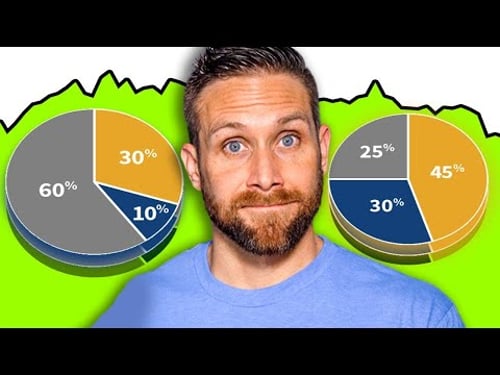
https://youtu.be/x-j_ZHzbAyg Check out My Recommendations (Purchasing anything here funds the free content on this channel): 📊 Personal Finance Bundle Wait List: https://bit.ly/4bpyTHT 📝 Boldin - The retirement planning tool I use to make sure I'm on track with saving for retirement. It's perfect for "Do it yourself" investors https://bit.ly/3EAAhrJ 💬 Sign up for 1 on 1 coaching with me: https://bit.ly/4bAUpYT 📖 Free copy of my Spending Review Spreadsheet: https://bit.ly/48lMVZ1 📧 Business Inquiries: https://bit.ly/44AgfLw 401(k) balances by age can be eye-opening, but they’re also deeply misleading. While the average balance across all age groups is reported at $148,000, the median is just $38,000, meaning half of savers have less than that. The huge gap between those two numbers isn’t just a fluk,e it’s a signal that the retirement system, and the way we talk about it, is broken. A small number of very large accounts skew the average upward, giving a false sense of progress while masking the reality most people face. Looking at 401(k) balances by generation reveals a troubling pattern. Many savers aren’t behind because they aren’t trying; they’re behind because the system makes it easy to fall behind. Auto-enrollment defaults are too low. Job hopping resets vesting schedules and contribution timelines. Loan provisions tempt people into raiding their retirement savings. And high-fee investment options quietly bleed away gains. These small frictions compound over decades and help explain why so few reach the levels they’re “supposed” to. Even worse, people tend to think they’re doing okay if they’re near the average for their age without realizing how inflated that average is. The reality is that most savers are underprepared, and many of them don’t know it. But that doesn’t mean the solution is panic. It just means re-centering around what actually drives results: consistent contributions, avoiding early withdrawals, minimizing fees, and sticking with broadly diversified investments. A few simple behaviors make the biggest difference. Auto-increasing your contributions by 1% each year. Avoiding 401(k) loans unless absolutely necessary. Choosing low-cost index funds instead of high fee actively managed ones. And staying the course when markets get rocky. These aren’t exciting moves, but they’re the ones that build six figure and even seven figure balances over time. Rather than obsessing over how you compare to the average, the better question is: are you building habits that actually lead to long term wealth? The data shows that the real drivers of retirement success aren’t tied to income level or age, they’re tied to behavior. 00:00 The 401k Illusion 00:35 How 401k Savings Really Grow Over Time 04:52 The Flaw Hiding in Every 401(k) Average 05:59 4 Things Driving 401k Balance Gaps 15:09 The Mindset Behind Above-Average Savers Affiliate Disclaimer: Some of the links above are affiliate links. If you sign up or make a purchase through them, I may earn a small commission at no extra cost to you. This creates a conflict of interest that you need to be aware of. I am not a client or current employee of any of the companies for which I have affiliate links. Your support means a lot and helps keep the channel going. Thank you! General Disclaimer: This content is for entertainment and informational purposes only. Everyone’s financial situation is different, so be sure to do your own research and consider speaking with a flat fee hourly professional before making any financial decisions. 290
You May Also Like










Secure Your Financial Future
AI-recommended products based on this video

Portable Air Conditioners for Bedroom, Dual Motor Evaporative Air Cooler with 3 Speeds & 3 Mist, 7 Color Night Light Cooling Fan with 2-8H Timer, 1100ML Personal AC Unit for Office Room

Portable Air Conditioner, Air Conditioner Portable with 3 Speeds, 3 Mist Settings, 1200ml XL Water Tank, 2~8h Timer, Portable Ac Unit, Small Mini Air Conditioner, Personal Air Cooler Fan for Bedroom
![[New] RayNeo Air 3s Pro AR/XR Glasses - 201'' 1200 Nits 120Hz HueView 2.0 Video Display, Smart Gaming Glasses for iPhone 16,15/Android/Mac/Switch 2/PS5/SteamDeck - Next-Gen Personal Theater](https://m.media-amazon.com/images/I/61ikVEnR51L._AC_UL960_FMwebp_QL65_.jpg)
[New] RayNeo Air 3s Pro AR/XR Glasses - 201'' 1200 Nits 120Hz HueView 2.0 Video Display, Smart Gaming Glasses for iPhone 16,15/Android/Mac/Switch 2/PS5/SteamDeck - Next-Gen Personal Theater
