Eridu Genesis | The Sumerian Epic of Creation


Study of Antiquity and the Middle Ages
@studyofantiquityandthemidd4449About
Hello fellow amateur historians and ancient/medieval scholars!!! My name is Nick Barksdale and like you, I have a passion for ancient and medieval history and so, I created this channel: The Study of Antiquity and the Middle Ages. The focus of this channel is history plain and simple and all of the facts and theories that come with it. From documentaries, academic lectures and video commentaries, I want to talk about what we love and hopefully even touch on subjects you haven't even thought about. Below are two groups I created on Facebook so feel free to join, and enjoy. Feel free to join our Facebook group The Study of Antiquity and the Middle Ages : https://www.facebook.com/groups/164050034145170/ And Ancient and Medieval History Book Collectors: https://www.facebook.com/groups/962147030568053/
Latest Posts



Video Description
The Sumerian Flood Story (also known as the Eridu Genesis, Sumerian Creation Myth, Sumerian Deluge Myth) is the oldest Mesopotamian text relating the tale of the Great Flood which would appear in later works such as the Atrahasis (17th century BCE) and The Epic of Gilgamesh (c. 2150-1400 BCE). The tale is also – most famously – told as the story of Noah and his ark from the biblical Book of Genesis (earliest possible date c. 1450 BCE, latest, c. 800-600 BCE). The story is dated to c. 2300 BCE in its written form but is thought to be much older, preserved by oral tradition until committed to writing. The extant work is badly damaged, with a number of significant lines missing, but can still be read and easily understood as an early Great Flood story. Scholars who have studied the text generally rely on the later Akkadian/Babylonian Atrahasis – which tells the same tale – to fill in the blanks of missing text from the broken tablet. The story most likely influenced the Egyptian “flood story” known as The Book of the Heavenly Cow (dated, in part, to the First Intermediate Period of Egypt, 2181-2040 BCE) but certainly was the inspiration for the later Mesopotamian works as well as the biblical narrative of Noah. The story was first discovered in 1893, during the period of widespread expeditions and excavations throughout Mesopotamia funded by western institutions. The good man in this version of the tale, chosen to survive the flood and preserve life on earth, is the Priest-King Ziudsura of the city of Suruppak (whose name means “life of long days”). This same figure appears as Atrahasis (“exceedingly wise”) in the later work that bears his name, as Utnapishtim (“he found life”) in The Epic of Gilgamesh, and as Noah (“rest” or “peace”) in the Book of Genesis. Link to original article titled "Eridu Genesis." https://www.worldhistory.org/Eridu_Genesis/ Website : https://www.ancient.eu/ YouTube Channel : https://www.youtube.com/c/AncientEU Twitter : https://twitter.com/ahencyclopedia Instagram : https://www.instagram.com/ahencyclopedia/ Facebook : https://www.facebook.com/ahencyclopedia/ Check out our store! History Merch: https://www.youtube.com/c/TheStudyofAntiquityandtheMiddleAges/store Get your history magazines here: https://www.karwansaraypublishers.com?tap_a=88561-7cbe2d&tap_s=1562085-46f5e5 Enjoy history merchandise? Check out affiliate link to SPQR Emporium! http://spqr-emporium.com?aff=3 Facebook Page: https://www.facebook.com/THESTUDYOFANTIQUITYANDTHEMIDDLEAGES/ Twitter: https://twitter.com/NickBarksdale Instagram: https://www.instagram.com/study_of_antiquity_middle_ages/ Facebook Group: https://www.facebook.com/groups/164050034145170/




Unlock Ancient Knowledge
AI-recommended products based on this video
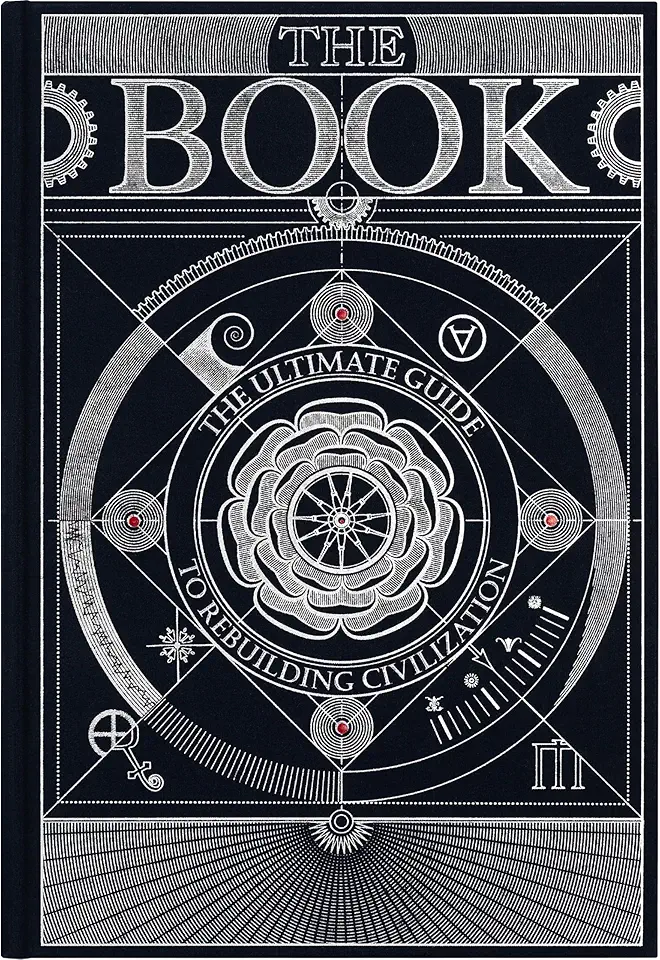
The Book. The Ultimate Guide to Rebuilding a Civilization - Inspirational Science Books for Adults - Unique Artifact - Knowledge Encyclopedia with Over 400 Pages of Detailed & Catchy Illustrations

LEGO Technic Kawasaki Ninja H2R Motorcycle Toy - Building Toys for Kids, Boys & Girls, Ages 10+ - Kickstand for Display - Model Kit Birthday Gift - 42170

LEGO Icons Williams Racing FW14B & Nigel Mansell F1 Model Car Kit - Building Set for Adults, Ages 18+ - F1 DIY Craft for Display - Gift Idea for Fans of F1-10353

LEGO Star Wars TIE Bomber Model Building Kit, Star Wars Toy Starfighter with Gonk Droid Figure, Darth Vader Minifigure and Lightsaber, Collectible Star Wars Gift for 9 Year Olds, 75347
