How Greece Stopped the Persians | Human Voiced, No Ads

ASMR Historian
@asmr_historianAbout
Real History, Human Voiced, Ad Free. ASMR Historian is a 3-person team made up of historians from the UK, Australia, and Germany. Scripts are human written by the team. ASMR Historian is 100% human voiced. All enquiries to: [email protected]
Latest Posts


Video Description
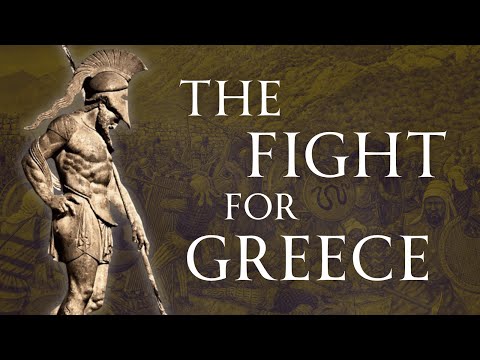
00:00:00 Introduction and Welcome 00:03:02 Background 00:08:18 First Persian Invasion (490 BC) 00:17:00 Preparing for the Next Invasion (490–480 BC) 00:23:28 Thermopylae (480 BC) 00:32:58 Artemisium (480 BC) 00:36:28 Salamis (480 BC) 00:48:08 Plataea and Mycale (479 BC) 00:58:53 Aftermath 01:04:25 Thoughts and Conclusions Join this channel to get access to perks: https://www.youtube.com/channel/UCXFf7OgCuOdcygnWp32Xk6g/join Support the channel on Patreon: https://www.patreon.com/ASMRHistorian Merch: https://histmerch.shop/ Sources and Further Reading Herodotus (5th century BC), The Histories. Aeschylus (472 BC), Persians. Plutarch (c. 100 AD), Life of Themistocles (Parallel Lives). Plutarch (c. 100 AD), Life of Aristides (Parallel Lives). Plutarch (c. 100 AD), Life of Cimon (Parallel Lives). Diodorus Siculus (1st century BC), Bibliotheca Historica (Library of History). Thucydides (c. 400 BC), History of the Peloponnesian War (Book 1). Holland, Tom (2005), Persian Fire: The First World Empire and the Battle for the West. Green, Peter (1996), The Greco-Persian Wars. Dio Chrysostom (c. 100 AD), “Oration 13: On the Persian War”. Discover how ancient Greece stopped the Persian Empire against all odds. From the Battle of Marathon to Thermopylae, Salamis, and Plataea, this video explores the strategies, heroes, and unity that saved Greek freedom. Learn how hoplites, triremes, and brilliant tactics turned the tide against one of history’s greatest empires. A story of courage, sacrifice, and the birth of Western civilization. Perfect for history lovers and fans of ancient warfare. Information sourced from Wiki, Gutenburg, JSTOR, primary and secondary sources. All information is congruent with archaeological and history evidence at the time of recording.







Ancient Greece History Must-Knows
AI-recommended products based on this video

We Who Will Die: An Epic Romantasy of Forbidden Love, Deadly Secrets, and Vampires in a High-Stakes Arena, Discover a Vividly Reimagined Ancient Rome (Empire of Blood Book 1)
