Living With Direct Injection - A Practical DIY Guide For Intake Deposits Cleaning and Answers to FAQ

driving 4 answers
@d4aAbout
Let's learn, build and explore the amazing world of mechanics, engines, cars and bikes driving 4 answers en español: https://www.youtube.com/@d4aespanol

Video Description
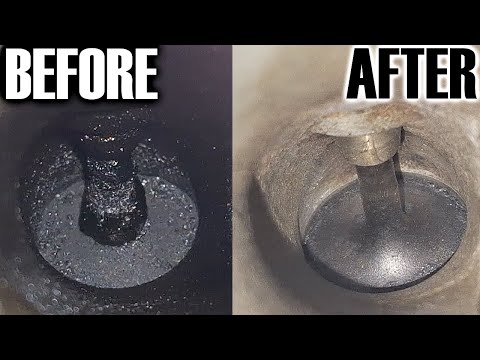
Carb cleaner US version: https://amzn.to/3XmXojd Carb cleaner Europe version: https://www.amazon.com.be/-/en/1830266-Valvoline-Carburettor-Cleaner-500ml/dp/B07R9ZKSP6?language=en_GB Brass brushes: https://amzn.to/4h7a0Ck Patreon: https://www.patreon.com/d4a Become a member: https://www.youtube.com/channel/UCwosUnVH6AINmxtqkNJ3Fbg/join In this video it's all about GDI aka Get Dirty Intake Technology. What we're doing is that I'll be showing you how I usually clean intake valve deposits on gasoline direct injection engines on the DIY, efficiently and with consistent good resuslts and then along the way as we work I'll be answering some frequently asked questions about gasoline direct injection such as: 1. Why do intake valves get very dirty, but exhaust valves do not? 2. What to look for when you're buying a car with a direct injection gasoline engine. 3. How to know when it's time to clean your intake valves and ports? 4. Why don't diesel engines suffer as much from direct injection symptoms and carbon buildup problems even though they're also direct injection-only? 5. How to hopefully extend the time interval between individual cleanings? What to look for when you're buying a gasoline direct injection-only vehicle? The number one thing you should check is how the engine is oriented—do you have access to the intake valves? Because at some point, you're likely going to have to clean them. If you're doing it yourself or even paying someone, it's a lot easier and cheaper if you can access the intake valves. In a direct injection engine, fuel is sprayed directly into the combustion chamber. In a port-injected engine, however, fuel is sprayed into the intake port before the valves. Since fuel acts as a solvent, it continuously washes the intake valves in a port-injected engine, keeping them clean. But in a direct injection engine, oil vapors from the PCV system, EGR, and other contaminants accumulate on the valves, causing deposits. This buildup restricts airflow, leading to problems like poor fuel economy, reduced power, and even engine knock. Exhaust valves, on the other hand, stay clean because they are constantly exposed to extremely hot exhaust gases that burn off deposits. While they can eventually get dirty, it's rarely an issue within a vehicle’s typical lifespan. How to Know When It’s Time to Clean the Intake Valves? In my case, the first sign was knock—that dreaded rattling sound. You know it’s not a timing chain issue because it happens at wide-open throttle in a fully warmed-up engine. In about 8 out of 10 cases, if a GDI engine starts knocking under load, it's time to clean the intake valves. But why does carbon buildup cause knock? This engine is an early-generation GDI, where fuel is sprayed upward into the intake airflow to mix properly before combustion. When deposits build up on the intake valves, they disrupt airflow and ruin the careful aerodynamics engineered for proper mixing. Poor mixing leads to localized rich and lean spots, making the engine more prone to knock. How to Clean Intake Valves - DIY carbon buildup cleaning method Step 1: Rotate the engine to close the intake valves on the cylinder you're cleaning. This prevents cleaning residue from falling into the combustion chamber. Step 2: Spray a strong cleaner—like Valvoline High Dissolving Carburetor Cleaner—onto the valves. Let it soak for about 15 minutes. Step 3: Use a bottle cleaning brush to loosen surface deposits. This usually removes only the soft, loose carbon. Step 4: Vacuum out the loosened deposits with a strong shop vacuum. Step 5: Use a brass wire brush with a flexible handle to scrub deeper. Brass is softer than engine components, so it won’t cause damage. Step 6: (Optional) Cut the handle of the brush and attach it to a drill for more aggressive cleaning. Step 7: Repeat spraying, scrubbing, and vacuuming until the valves are clean. Why Don’t Diesel Engines Have This Problem? Actually, diesel engines do get intake valve deposits, but it doesn’t affect them as much. Unlike gasoline engines, diesel engines don’t need a perfectly mixed air-fuel ratio because fuel is injected much later—right before combustion. Diesel engines always operate with excess air, so even if airflow is partially blocked by deposits, there’s still enough air for combustion. Diesel fuel ignites instantly as it’s injected, so poor air-fuel mixing doesn’t lead to knock. A special thank you to my patrons: Daniel Zwoa Meda Beda valqk Toma Marini Cole Philips Allan Mackay RePeteAndMe Sam Lutfi Cakeskull #d4a #gdi 00:00 Table of contents 02:05 What to look for when buying a GDI car 04:08 Why do intake valves get dirty buy exhaust valves don't 07:05 How to know when it's time to clean the intake 09:29 My DIY intake deposit cleaning method 17:35 Why don't diesel suffer from these symptoms 20:32 How to extend the cleaning interval






Essential DIY Intake Care Kit
AI-recommended products based on this video

2025 Upgraded Jetflux Pressure Washer, Jet Flux Jet Power Washer, 2-in-1 Pressure Washer, with 2 Jet Different Nozzle and Hose Quick Connectors (Blue Set)

Expandable Garden Hose Set 100FT Upgraded Flexible Water Hose 3/4" Solid Brass Fittings with 10 Function Sprayer Nozzle Gardening Flexible Hose Pipe with Storage Bag Red

Waterdrop 10UA Under Sink Water Filter System, Reduces Lead, Chlorine, Bad Taste & Odor, Under Counter Water Filter Direct Connect to Kitchen Faucet, NSF/ANSI 42 Certified, 8K Gallons, USA Tech
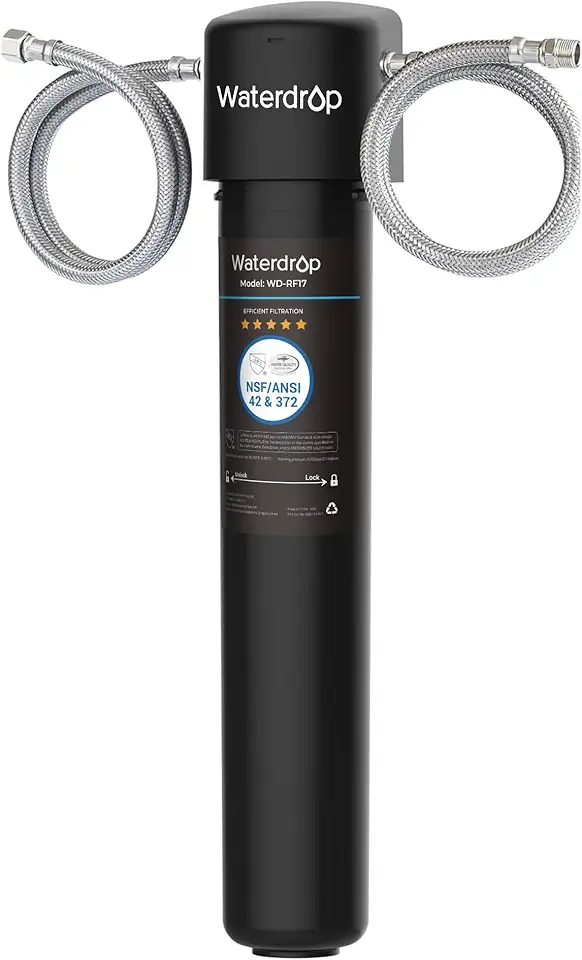
Waterdrop 17UA 3 Years Under Sink Water Filter System-Reduces Lead, Chlorine, Bad Taste & Odor-Under Counter Water Filter Direct Connect to Kitchen Faucet-NSF/ANSI 42 Certified-24000 Gallons-USA Tech

Waterdrop 15UA Under Sink Water Filter System, Reduces Lead, Chlorine, Bad Taste & Odor, Under Counter Water Filter Direct Connect to Kitchen Faucet, NSF/ANSI 42 Certified, 16000 Gallons, USA Tech

Frizzlife SW10 Under Sink Water Filter System, NSF/ANSI 53&42 Certified, Reduces 99.99% Lead, Chlorine, Bad Taste & Odor, Direct Connect Under Counter Drinking Water Filter, High Capacity, 0.5 Micron

COLORCORAL Car Cleaning Gel Universal Dust Cleaner Vehicle Auto Detailing Car Vent Keyboard Cleaning Putty Cars Interior Cleaner Dashboard Dust Remover Putty Duster Wipes Swaps Cleaning Kit 160G

KLONA Handheld Steam Cleaner, Steam Cleaner for Home with 10 Accessory Kit, Multipurpose Portable Upholstery Steamer Cleaning with Safety Lock to Remove Grime, Grease, and More
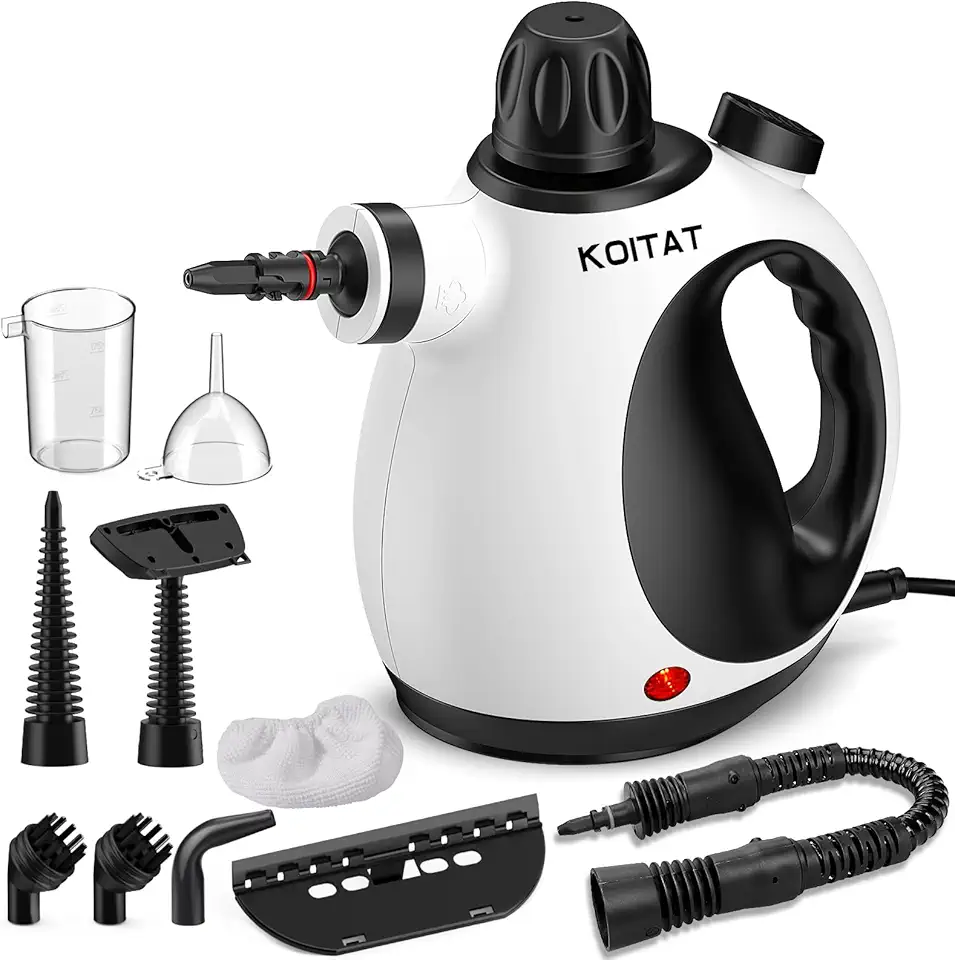
Portable Steam Cleaner, Hand Held steamers for cleaning house, Home Multi Purpose-10-Piece Accessory Kit for Sofa,Carpets,Upholstery,Car,Floor,Bathroom,Mattress and More

Cleaner Kit for Airpods Pro 1 2 3 Multi-Function Cleaning Pen with Soft Brush Flocking Sponge for Bluetooth Earphones Case Cleaning Tools White