Rise and Fall of the Knights Templar | Human Voiced, No Ads


ASMR Historian
@asmr_historianAbout
Real History, Human Voiced, Ad Free. ASMR Historian is a 3-person team made up of historians from the UK, Australia, and Germany. Scripts are human written by the team. ASMR Historian is 100% human voiced. All enquiries to: [email protected]
Latest Posts


Video Description
00:00:00 Introduction and Welcome 00:02:40 Origins of the Order (1119–1129) 00:09:58 Role in the Crusades 00:20:02 Expansion and Economic Power in Europe 00:29:12 Organization and Internal Governance 00:39:50 Relations with the Papacy and Monarchies 00:51:01 Fall of the Knights Templar 01:10:41 Myths and Conspiracy Theories 01:26:28 Conclusion and Thoughts Join this channel to get access to perks: https://www.youtube.com/channel/UCXFf7OgCuOdcygnWp32Xk6g/join Support the channel on Patreon: https://www.patreon.com/ASMRHistorian Merch: https://histmerch.shop/ Discover the dramatic rise and fall of the Knights Templar, the elite warrior-monks who reshaped medieval Europe and the Holy Land. Founded in 1119 to safeguard Christian pilgrims, the Order quickly evolved into a formidable military force—winning key Crusader battles, erecting impregnable fortresses from Jerusalem to Acre, and pioneering financial networks that let nobles deposit silver in Europe and withdraw funds in the Levant. Backed by papal privileges, the Templars amassed vast estates, a fleet of ships, and influence that stretched from Portugal to the Baltic. Yet their meteoric power sparked suspicion. On Friday, 13 October 1307, King Philip IV of France seized Templar leaders on charges of heresy and idolatry; intense trials, torture-extracted confessions, and papal pressure culminated in the Order’s dissolution in 1312 and Grand Master Jacques de Molay’s execution in 1314. Although their treasure vanished, the Templars’ innovations in banking, architecture, and knightly discipline endured—fueling legends that still captivate historians, conspiracy theorists, and pop culture alike. Information sourced from Wiki, Gutenburg, JSTOR, primary and secondary sources. All information is congruent with archaeological and history evidence at the time of recording.







Medieval History Buff's Must-Haves
AI-recommended products based on this video
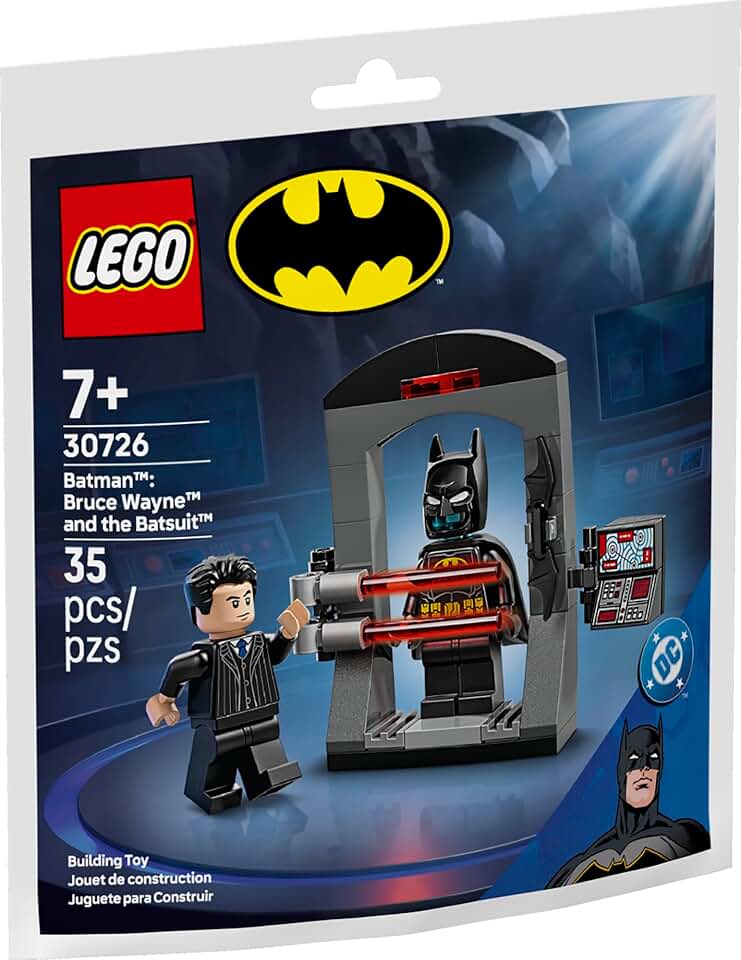
LEGO DC Batman Bruce Wayne and the Batsuit Mini-Build Party Favors - Basket Stuffer for Easter - Loot & Goodie Bag Fillers for Boys & Girls Birthday, Ages 7+ - 30726

LUMIBRICKS Medieval Castle Banquet Hall Lighting Building Bricks Set - Middle Ages City Town Modular Collection Display Kit with Minifigures 3232 Pcs for Adults & Teens