Systemd Explained: How to Manage Linux Services Easily


Learn Linux TV
@learnlinuxtvAbout
Learn Linux TV is your ultimate resource for mastering Linux and open-source technology. From step-by-step Linux tutorials and distro reviews to server automation, cloud deployments, security, and DevOps workflows, this channel gives you the skills to thrive in today’s Linux Community. With over 20 years of Linux and System Administration experience, Jay (your host) shares practical insights to help you succeed with Linux — whether at home, in the data center, or in the cloud. Whether it’s Debian, Ubuntu, Fedora, Arch, or Proxmox, you’ll learn how to build, secure, and manage systems with confidence! • Linux made simple: tutorials, reviews, and sysadmin tips you can actually use. • Your go-to channel for Linux tutorials, distro reviews, and real-world sysadmin skills. • Where beginners become power users, and pros sharpen their Linux skills. Subscribe and join a community of hundreds of thousands of Linux enthusiasts who are learning, building, and growing with open source.
Latest Posts

Video Description
Systemd is the dominant init system across most major Linux distributions, and understanding how it works is essential for managing services on your system. In this tutorial, you’ll learn the fundamentals of systemd—including how to start, stop, and restart services, how to locate and prioritize unit files, how to edit service units safely, and more. Whether you’re a beginner or just brushing up, this guide will help you take full control of service management on Linux with systemd. Note: Be sure to check the time code section to see what's covered. One or more follow-up videos will be made at some point in the future to cover anything I ran out of time for. Enjoy! Support Linux Learning and check out Netdata, a powerful utility that enables you to easily and proactively monitor your business, home, or homelab network • Check out Netdata here ➜ https://learnlinux.link/netdata (affiliate revenue earned) *🕐 Time Codes* 00:00 - Intro 01:10 - How this video will be structured 02:11 - Some basic knowledge on init systems, etc 04:46 - What are Units in terms of Systemd? 06:02 - Installing Apache (for use as an example service unit) 07:51 - Checking the status of a Systemd Unit 09:34 - Starting a Systemd Unit 11:02 - How to stop a Unit with Systemd 11:47 - Restarting a Unit 12:38 - Enabling/Disabling Systemd Units 15:58 - Where are Systemd's Unit files stored? 20:40 - Systemd unit file directory priority/preference 23:31 - Taking a closer look at a Systemd Service File 30:22 - How "reload" differs from "restart" in Systemd Service Units 31:37 - Service File explanation (continued) 33:02 - Editing and Overriding Systemd Unit Files 42:01 - Reloading Systemd with systemd daemon-reload (and why you should) 43:06 - Some tips on creating your own unit files *🎓 Full Linux Courses* • Linux Crash Course ➜ https://linux.video/cc • Netdata ➜ https://linux.video/netdata • tmux ➜ https://linux.video/tmux • vim ➜ https://linux.video/vim • Bash Scripting ➜ https://linux.video/bash • Proxmox VE ➜ https://linux.video/pve • Ansible (Paid) ➜ https://learnlinux.link/ansible • LPI Linux Essentials (Paid) ➜ https://learnlinux.link/linux-essentials *🎓 More About Learn Linux TV* • Main site ➜ https://www.learnlinux.tv • Community Forums ➜ https://community.learnlinux.tv • Github Account ➜ https://github.com/LearnLinuxTV • Content Ethics ➜ https://www.learnlinux.tv/content-ethics • Request Paid Assistance ➜ https://www.learnlinux.tv/request-assistance *⚠️ Disclaimer* LearnLinuxTV produces technical content that will hopefully be helpful to you and teach you something new. However, this content is provided without any warranty (expressed or implied). LearnLinuxTV is not responsible for any damages that may arise from any use of the content and information that's being provided. The viewer is expected to follow best judgement and to make his/her/their best decisions while working with production or non-production software, systems and hardware. #CloudComputing #DevOps #Systemd








Master Linux Essentials
AI-recommended products based on this video

BOSGAME Linux Mini PC, Intel 12th N100 16GB DDR4 RAM 512GB SSD Linux Server Computers Preinstalled Ubuntu 22.04,Support 4K Triple Display/USB3.2/WiFi 5/2.5GbE

OWC 64GB DDR5 4800 PC5-38400 CL40 2Rx4 288-pin 1.1V ECC Registered RDIMM Memory RAM Module Upgrade Compatible with Dell PowerEdge R660XS R760XS
OWC 64GB DDR5 4800 PC5-38400 CL40 2Rx4 288-pin 1.1V ECC Registered RDIMM Memory RAM Module Upgrade Compatible with Dell PowerEdge XE9680
OWC 64GB DDR5 4800 PC5-38400 CL40 2Rx4 288-pin 1.1V ECC Registered RDIMM Memory RAM Module Upgrade Compatible with Dell PowerEdge R6625 R760 R7615 R7625
OWC 64GB DDR5 4800 PC5-38400 CL40 2Rx4 288-pin 1.1V ECC Registered RDIMM Memory RAM Module Upgrade Compatible with Dell PowerEdge HS5610 HS5620
BOSGAME Linux Mini PC, Intel 12th N100 16GB DDR4 RAM 512GB SSD Linux Server Computers Preinstalled Ubuntu 22.04,Support 4K Triple Display/USB3.2/WiFi 5/2.5GbE

10.1 Inch Touch Portable Monitor IPS Screen 1366x768P 60Hz 400 Brightness 99% sRGB HDMI USB-C Monitors Switch for Xbox PS3/4/5 Laptop Compatible with Raspberry Pi, Mini Touch Screen
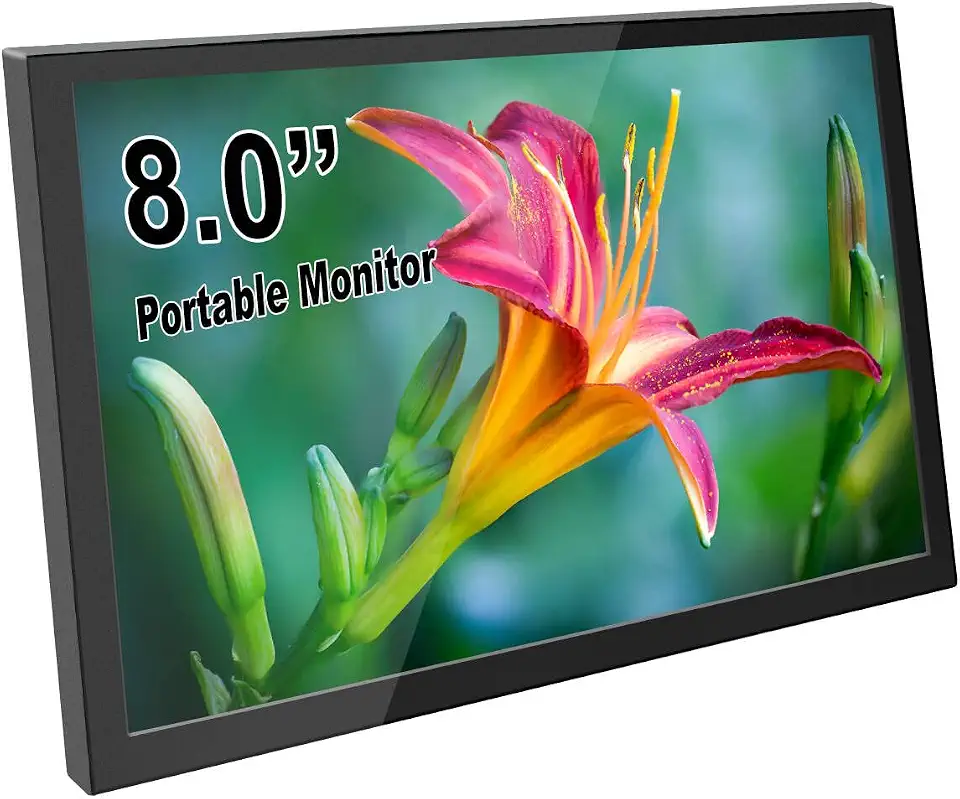
ELECROW 8 Inch Portable Monitor, 1280x800 Mini HD Display with Built-in Speakers, USB Powered, Non-Touch LCD Screen for Raspberry Pi, PC, Laptop, Jetson Nano, Game Consoles

7 Inch Portable Monitor Touchscreen HD 1024x600 LED Display Dual HDMI Port Small Monitor for PC Raspberry Pi Laptop Computer Xbox PS4/5 Switch Built-in Speakers

BrosTrend 1800Mbps WiFi 6 Linux WiFi Adapter for PC and Raspberry Pi 2+, Long Range USB WiFi Dongle Linux for Ubuntu, Mint, Debian, Kubuntu, Lubuntu, Zorin, Windows 11/10, Dual Band Wireless Antenna

KOOTION 5-Pack 64 GB Micro SD Card Class 10 Micro-SDXC Memory Card UHS-I, High Speed Flash TF Card for Security Camera/Smartphone/Drone/Dash Cam/Tablet/PC, C10, U1, 64 GB 5pack
![Anker USB C Cable, [2-Pack, 6 ft] Type C Charger Premium Nylon USB Cable, USB A to Type C Charging Cable Fast Charge for Samsung Galaxy S10 S10+ / Note 8, LG V20 and Other USB C Charger (Black)](https://m.media-amazon.com/images/I/71N7xhCJnoL._AC_UL960_FMwebp_QL65_.jpg)
Anker USB C Cable, [2-Pack, 6 ft] Type C Charger Premium Nylon USB Cable, USB A to Type C Charging Cable Fast Charge for Samsung Galaxy S10 S10+ / Note 8, LG V20 and Other USB C Charger (Black)

Anker USB C Charger Cable (6ft 100W, 2Pack), USB 2.0 Type C Fast Charging Cable for iPhone 15 / 15Pro / 15Plus / 15ProMax MacBook Pro 2020, iPad Pro 2020, iPad Air 4, Samsung Galaxy S23+/S23 Ultra ClimatePartner certified

Anker Nano USB C Wall Charger,45W Fast Charging Smart Display Charger,with 180°Foldable Plug,Smart Recognition,Built-in Care Mode,for iPhone17/16/15 (Non-Battery,One USB-C Port,No Cable Included) ClimatePartner certified

Logitech M185 Wireless Mouse, 2.4GHz with USB Mini Receiver, 12-Month Battery Life, 1000 DPI Optical Tracking, Ambidextrous, Compatible with PC, Mac, Laptop - Black

Logitech K250 Bluetooth Keyboard with Numpad, Easy Connectivity, Compact Wireless Keyboard Made with Recycled Plastic, Spill-Resistant, Comfortable Keys - Windows/MacOS - Graphite
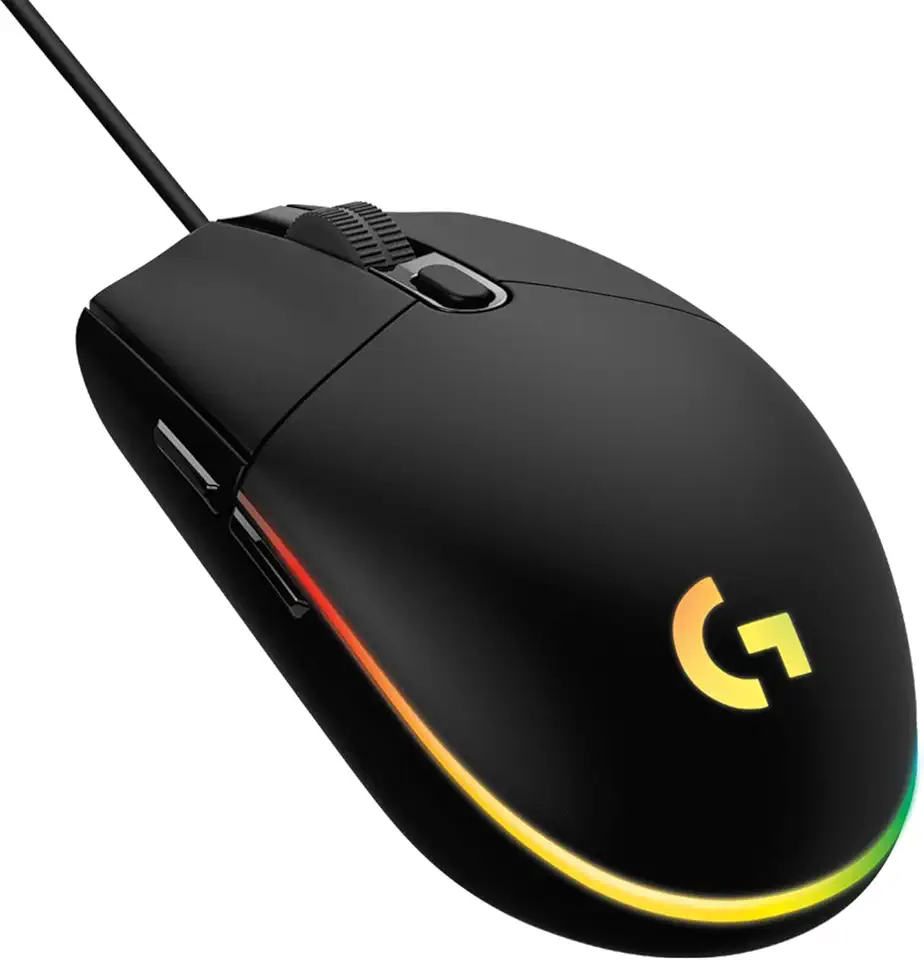
Logitech G203 Wired Gaming Mouse, 8,000 DPI, Rainbow Optical Effect LIGHTSYNC RGB, 6 Programmable Buttons, On-Board Memory, Screen Mapping, PC/Mac Computer and Laptop Compatible - Black

Logitech G305 Lightspeed Wireless Gaming Mouse, Hero 12K Sensor, 12,000 DPI, Lightweight, 6 Programmable Buttons, 250h Battery Life, On-Board Memory, PC/Mac - Black
BrosTrend 1800Mbps WiFi 6 Linux WiFi Adapter for PC and Raspberry Pi 2+, Long Range USB WiFi Dongle Linux for Ubuntu, Mint, Debian, Kubuntu, Lubuntu, Zorin, Windows 11/10, Dual Band Wireless Antenna

BrosTrend AX300 Nano WiFi 6 Linux Compatible WiFi Adapter for PC and Raspberry Pi 2+, 2.4GHz Only, 286Mbps, USB WiFi Dongle for Ubuntu, Debian, Mint, Kubuntu, Lubuntu, Zorin, Xubuntu, Windows 11/10/7
