The "Psychic" Princess Who Courts Controversy: Princess Märtha Louise of Norway
About
No channel description available.


Video Description
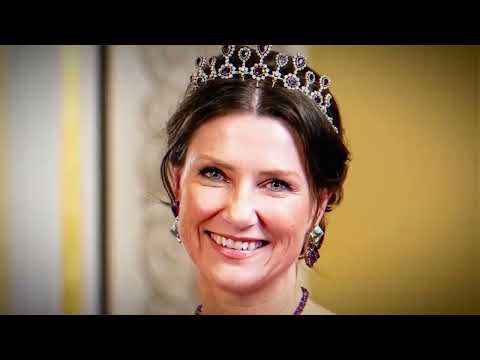
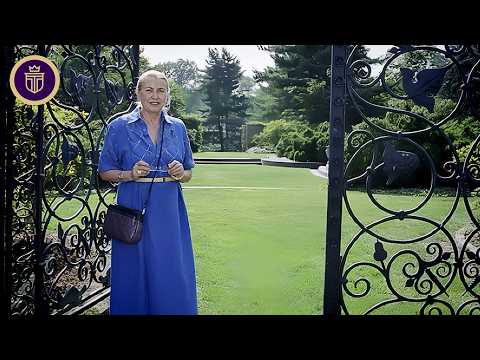
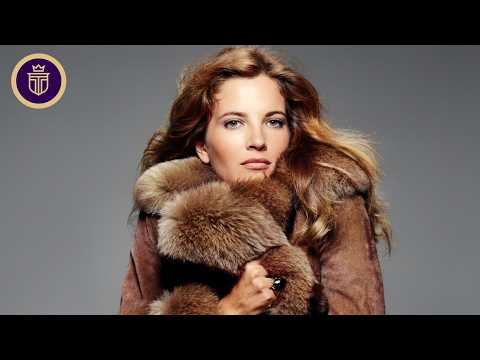
Norway's Princess Märtha Louise rewrote the script that most fairy tales begin with a princess in a castle, bound by duty and tradition, yearning for freedom beyond palace walls. Fourth in line to one of Europe's oldest thrones, she traded tiaras for talking with angels, royal protocols for shamanic rituals, and court life for controversy. -------------------------- When You Try To Kidnap A Princess, and She Laughs In Your Face: The Defiance of Anne, Princess Royal -- https://www.youtube.com/watch?v=E2pQfH-Axks -------------------------- TIMESTAMPS: 0:00 Introduction 0:52 Chapter 1: From Royal Cradle to Spiritual Awakening 5:25 Chapter 2: The Business of Angels 9:34 Chapter 3: The Shaman and the Princess 15:06 Chapter 4: Legacy of Controversy -------------------------- Born on September 22, 1971, to then-Crown Prince Harald and Crown Princess Sonja, Märtha Louise grew up at Skaugum Estate where her parents made the deliberate choice to raise their daughter as normally as possible for someone with royal blood. Unlike princesses of generations past, she attended municipal day-care alongside ordinary Norwegian children, learned to play the flute, sang in a local choir, and practiced folk dancing at the Norwegian Museum of Cultural History. While other young royals might have gravitated toward traditional pursuits, Märtha Louise found her passion in the stables, where equestrian sports became more than recreation—they formed the foundation of what she would later describe as her spiritual awakening. She studied at the prestigious University of California, Berkeley, before completing a psychology degree from the University of Wales, later training as a physiotherapist and Rosen Method therapist. In 2002, Märtha Louise married Norwegian author and visual artist Ari Behn in a ceremony at Nidaros Cathedral, a union that produced three daughters: Maud Angelica, Leah Isadora, and Emma Tallulah. That same year, she voluntarily relinquished the style of "Royal Highness," signaling her intention to step back from traditional royal responsibilities and pursue a more independent path. The true turning point came in 2007 when the princess shocked Norway by announcing the launch of Astarte Education—soon nicknamed the "angel school" by bewildered media—where students paid 12,000 Norwegian crowns per semester to learn clairvoyance and angel communication. Norwegian health officials and academics reacted with alarm, with the state director of health openly opposing her practices while newspaper columnists questioned whether royal status was being exploited for commercial gain. As financial troubles mounted, the angel school closed its doors in 2018, but the princess showed no signs of retreating from her metaphysical mission. In May 2019, Märtha Louise introduced Durek Verrett, an American self-described shaman and conspiracy theorist, as her partner on Instagram, bringing a new dimension of controversy to her already contentious public image. The couple launched spiritual seminars under the provocative title "The Princess and the Shaman," explicitly leveraging her royal status to promote Verrett's teachings and defying protocols about commercial use of royal titles. In November 2022, facing mounting pressure, Princess Märtha Louise relinquished her official royal duties to focus fully on her alternative medicine business with Verrett, though she maintained her place in the line of succession. Their wedding on August 31, 2024, in Geiranger, Norway, became a spectacle that captured international attention, with Norwegian media describing the event as "comical" and "embarrassing." Adding to the controversy, reports emerged alleging the couple had failed to pay wedding vendors, with outstanding bills totaling approximately one million Norwegian kroner (about $90,000). The sobriquet "Princess Plenty More of Have-It-All" has echoed through Norwegian media, while polls show a majority of Norwegians favor removing her title, disapproving of her commercial exploitation of royal status. Her story raises fundamental questions about the purpose and privileges of monarchy in the twenty-first century: If royal status can be leveraged for personal profit, what distinguishes the monarchy from any other celebrity brand? The Norwegian royal house, one of Europe's most approachable and modern monarchies, continues to struggle with where to draw the boundaries of royal behavior in a democratic society. Perhaps most significantly, Märtha Louise's journey highlights the inherent contradictions in contemporary constitutional monarchies, which simultaneously embrace democratic values while perpetuating hereditary privilege—a balancing act growing increasingly difficult in an egalitarian age.


Royal-Inspired Luxury Essentials
AI-recommended products based on this video
