Why Medieval Peasants Never Froze While Your Modern Home Dies in 12 Hours


Medieval Wisdom
@medievalwisdomAbout
Medieval Wisdom explores the ingenious solutions of the Middle Ages that still amaze us today. Dive into a past filled with creativity and discover how these ideas can inspire the present.

Video Description
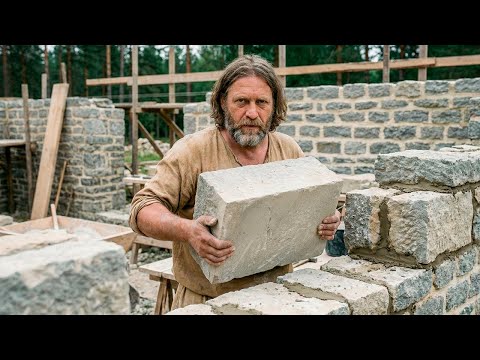
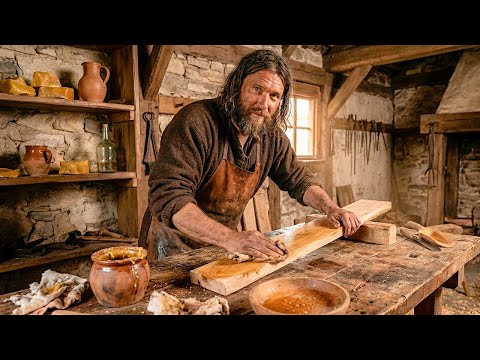
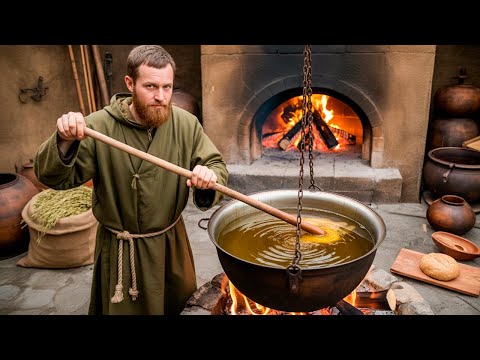
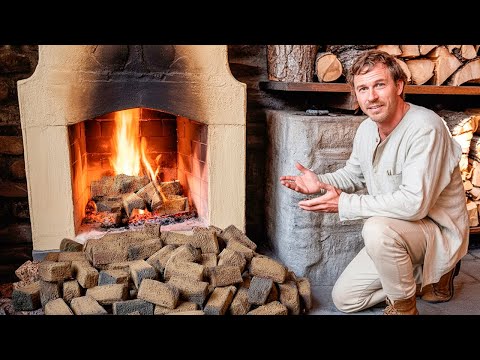
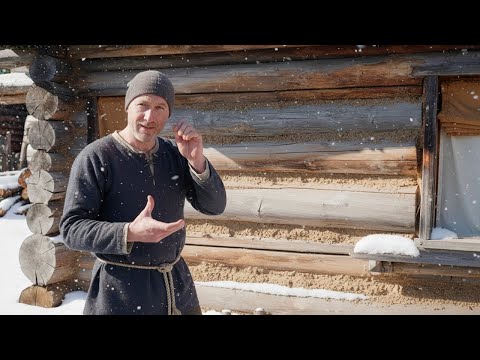
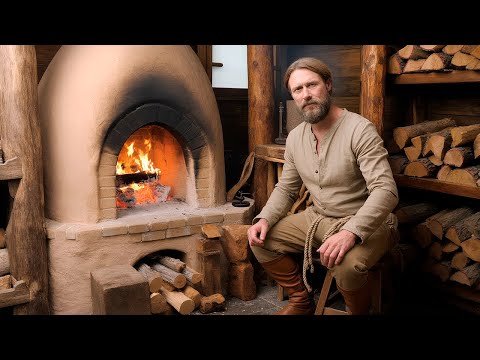
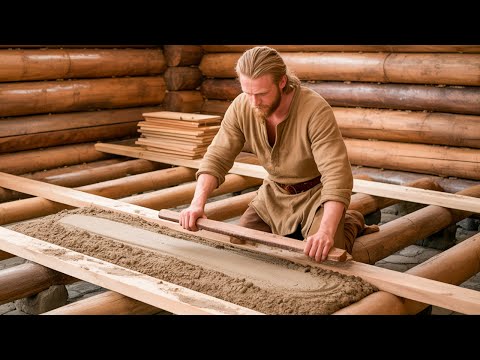
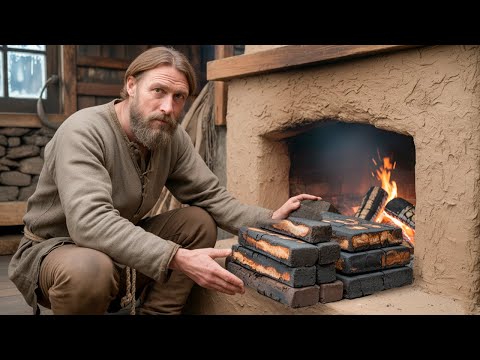
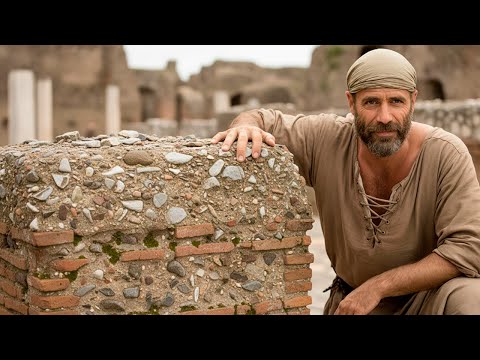
Between 1300-1700, Europe froze during the Little Ice Age—temperatures hit -40°F, the Great Famine killed millions, yet medieval peasants not only survived but built homes still standing 700 years later. This deep investigation reveals their complete winter survival system: structures that stored heat for 24 hours using thermal mass and natural materials, masonry heaters that fired once daily yet radiated warmth continuously, and animal fat transformed into 8 different survival tools covering light, waterproofing, medicine, and preservation. While modern homes use 90 million BTUs yearly and freeze in 12 hours without power, their integrated system used just 15 million BTUs and stayed livable for days with no heat source. Archaeological evidence, thermal studies, and experimental reconstructions prove these weren't primitive solutions—they were sophisticated engineering that modern construction still can't match. INTRO - 00:00 - 01:10 SECTION 1 - 14:39 SECTION 2 - 29:14 SOURCES Archaeological & Historical: Wharram Percy Medieval Village excavations (English Heritage) University of Nottingham cruck frame survey (3,086 buildings catalogued) Dendrochronology studies of medieval timber (University College London) Medieval settlement archaeology reports (York Archaeological Trust) Climate & Historical Context: Little Ice Age temperature reconstructions (NOAA Paleoclimatology) Great Famine 1315-1317 chronicles (Medieval Sourcebook, Fordham University) Alpine glacier advance data (Institute for Interdisciplinary Mountain Research) Construction & Engineering: National Bureau of Standards log home thermal study (1980-1982) University of Alaska Fairbanks cabin comparison experiment (2004) Norwegian Institute of Wood Technology historic buildings analysis Thermal mass vs R-value studies (Building Science Corporation) Ethnographic & Experimental: Sami traditional building methods documentation (Arctic University of Norway) Russian Pechka/masonry heater research (Moscow Architecture Institute) Pavel Sapozhnikov "Alone in the Past" experiment (2013-2014, Siberia) Traditional food preservation studies (Food History journals) Materials Science: Wattle and daub thermal testing (UCL Institute for Sustainable Heritage) Sphagnum moss R-value analysis (Forest Products Laboratory) Historical render composition studies (Building Conservation journals) little ice age survival techniques medieval building methods thermal efficiency off grid heating without electricity SUBSCRIBE for more ancient wisdom that beats modern technology! 👍 LIKE if you're ready to stay cool like medieval masters! DISCLAIMER: This content is for educational purposes only. Do your own research and consult experts before attempting any cooling modifications. We are not responsible for outcomes from following these methods. For content removal requests, contact [email protected] Copyright Disclaimer under Section 107 of the copyright act 1976, allowance is made for fair use for purposes such as criticism, comment, news reporting, scholarship, and research. Fair use is a use permitted by copyright statute that might otherwise be infringing. Non-profit, educational or personal use tips the balance in favour of fair use.








Insulate Like a Medieval Pro
AI-recommended products based on this video
