Yuval Noah Harari Thinks Life Is Meaningless and Amazing | People I (Mostly) Admire | Episode 84


Freakonomics Radio Network
@freakonomicsAbout
A podcast about the hidden side of everything. Host and Freakonomics co-author Stephen J. Dubner explores questions like: Why is it safer to fly in an airplane than drive a car? How do we decide whom to marry? Why is the media so full of bad news? Also: things you never knew you wanted to know about wolves, bananas, pollution, search engines, and the quirks of human behavior. Combining storytelling and data, Freakonomics Radio answers questions you didn’t know to ask and delivers insights you won’t hear anywhere else. With more than 600 episodes in the archive and new episodes publishing weekly, join millions of listeners worldwide. Explore more: Freakonomics Radio → https://freakonomics.com/series/freakonomics-radio No Stupid Questions → https://freakonomics.com/series/nsq/ People I (Mostly) Admire → https://freakonomics.com/series/people-i-mostly-admire/ Freakonomics, M.D. → https://freakonomics.com/series/bapu/




Video Description
Yuval Noah Harari has a knack for finding the profound in the obvious. His book Sapiens recounts the history of mankind, discussing recurring themes like famine, plague, and war as well as global events like the agricultural revolution, the Black Death, and the First World War. In this episode of People I (Mostly) Admire, hosted by Steve Levitt, Harari asks whether Neanderthals had souls and explains why money is fiction, traffic can be mind-blowing, and politicians have a right to say stupid things in private. This episode was originally published July 22, 2022. For a full transcript, resources, and more, visit: https://freak.ws/3S4O7XJ FOLLOW PEOPLE I (MOSTLY) ADMIRE: YouTube: https://freak.ws/3yIl6dl Apple Podcasts: https://freak.ws/3ELfGST Spotify: https://freak.ws/3D6uqKV ABOUT PEOPLE I (MOSTLY) ADMIRE: “Freakonomics” co-author Steve Levitt tracks down other high achievers for surprising, revealing conversations about their lives and obsessions. Join Levitt as he goes through the most interesting midlife crisis you’ve ever heard — and learn how a renegade sheriff is transforming Chicago’s jail, how a biologist is finding the secrets of evolution in the Arctic tundra, and how a trivia champion memorized 160,000 flashcards. ABOUT THE FREAKONOMICS RADIO NETWORK: Freakonomics began as a book, which led to a blog, a documentary film, more books, a pair of pants, and in 2010, a podcast called Freakonomics Radio. Hosted by Stephen J. Dubner, it’s one of the most popular podcasts in the world, with a reputation for storytelling that is both rigorous and entertaining. Its archive of more than 500 episodes is available, for free, on any podcast app, and the show airs weekly on NPR stations. Freakonomics Radio is now the flagship show of the Freakonomics Radio Network, which includes the podcasts No Stupid Questions, People I (Mostly) Admire, and The Economics of Everyday Things. FREAKONOMICS RADIO NETWORK PODCASTS: Freakonomics Radio: https://freakonomics.com/series/freakonomics-radio No Stupid Questions: https://freakonomics.com/series/nsq/ People I (Mostly) Admire: https://freakonomics.com/series/people-i-mostly-admire/ Economics of Everyday Things.: https://freakonomics.com/series/everyday-things/ Special series: https://freakonomics.com/topics/ CONNECT WITH US: [email protected] https://twitter.com/MostlyAdmiring https://www.instagram.com/freakonomics/ https://www.facebook.com/freakonomics/ https://www.tiktok.com/@freakonomicsradio https://www.linkedin.com/company/freakonomics-media Subscribe to our newsletter: http://eepurl.com/bKm0cf













Thought-Provoking Reading List
AI-recommended products based on this video
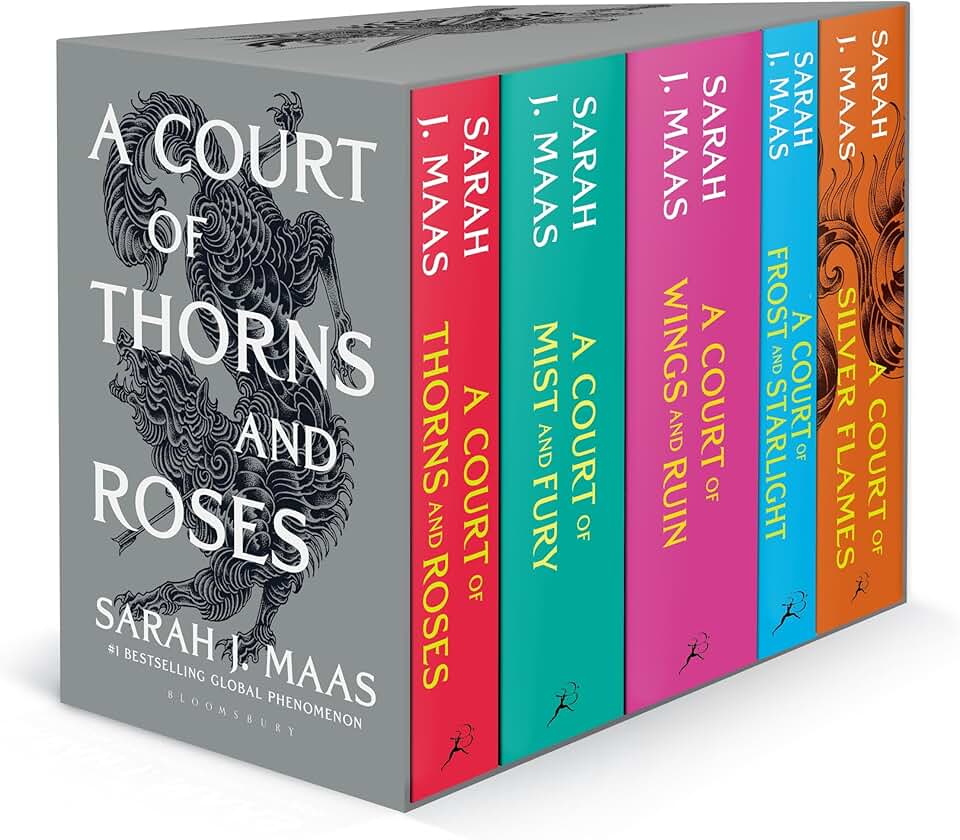
A Court of Thorns and Roses Paperback Box Set (5 books)

BIC Brite Liner Grip Pastel Highlighter Set, Non-Toxic with Chisel Tip for Fine and Broad Lines, 6-Count Pack in Pastel Assorted Colours

The Book Club for Troublesome Women: A Novel

All the Way to the River: Oprah's Book Club: Love, Loss, and Liberation

Great Big Beautiful Life: Reese's Book Club
