Emily Dickinson – Unravelling her 20 year Seclusion | Biographical Documentary

About
No channel description available.



Video Description
Emily Dickinson is now regarded as one of the most important figures in American literature. She broke all the accepted rules of writing but in doing so, she developed a unique and haunting personal voice, that seems very modern and relevant to our lives today. However, she is almost as well known for her unusual behaviour and reclusive lifestyle as for her poetry and there has been rampant speculation about what might have caused her to isolate herself from the world – everything from epilepsy to autism. In this biographical documentary, a professor of psychiatry explores her life and all the various theories about her to try to unravel the complex reasons why she hid herself away for over twenty years and published only 10 of 1800 poems during her lifetime. Emily Dickinson – Unravelling her 20 year Seclusion | Biographical Documentary #Emilydickinson #biography #biographicaldocumentary Finding Out More: There are many biographies of Emily Dickinson, each giving their own slant on her life. Some are very readable, others more academic. There are also her 1800 poems and 1000 letters. I have added these to my Amazon store page: https://amzn.to/3KlzKNU. Academic References; Hirschhorn, N. (1999). Was it tuberculosis? Another glimpse of Emily Dickinson's health. The New England Quarterly, 72(1), 102-118. Hirschhorn, N., and Longsworth, P. (2013). Was It Epilepsy?: Misdiagnosing Emily Dickinson (1830–1886). Perspectives in biology and medicine, 56(3), 371-386. Mackowiak, P. A., and Batten, S. V. (2008). Post-traumatic stress reactions before the advent of post-traumatic stress disorder: potential effects on the lives and legacies of Alexander the Great, Captain James Cook, Emily Dickinson, and Florence Nightingale. Military medicine, 173(12), 1158-1163. Ray, L. J. (1981). Models of madness in Victorian asylum practice. European Journal of Sociology/Archives Européennes de Sociologie, 22(2), 229-264. Schöberlein, S. (2015). Insane in the Membrane: Emily Dickinson Dissecting Brains. The Emily Dickinson Journal, 24(2), 46-70. Wells, A. M. (1962). Was Emily Dickinson Psychotic?. American Imago, 19(4), 309-321. Winhusen, S. (2004). Emily Dickinson and schizotypy. The Emily Dickinson Journal, 13(1), 77-96. Copyright Disclaimer: The primary purpose of this video is educational. I have tried to use material in the public domain or with Creative Commons Non-attribution licences wherever possible. Where attribution is required, I have listed this below. I believe that any copyright material used falls under the remit of Fair Use, but if any content owners would like to dispute this, I will not hesitate to immediately remove that content. It is not my intention to infringe on content ownership in any way. If you happen to find your art or images in the video, please let me know and I will be glad to credit you. Images: Public Domain via Wikimedia Commons Wellcome Collection Emily Dickinson Museum Emily Dickinson Archive Emily Dickinson Electronic Archive Music (via Wikimedia commons) JS Bach: Toccata and Fugue in D minor BWV 565, Norbert Schenk. CC4.0 L v Beethoven: Piano Sonata No 14 (Moonlight) Bernd Krueger CC3.0 WA Mozart: Concerto for Flute, Harp, and Orchestra in C major, K. 299, played by Alexander Murray, flute and Ann Yeung, harp, with the Sinfonia da Camera of the University of Illinois and Ian Hobson, music director. CC2.0 C Saint-Saëns: The Carnival of the Animals. Pianos: Neil and Nancy O'Doan, Seattle Youth Symphony, conducted by Vilem Sokol. CC2.0 H Villa-Lobos: Trio for Oboe, Clarinet and Bassoon. Members of the Soni Ventorum Wind Quintet: Rebecca Henderson, oboe; William McColl, clarinet; Arthur Grossman, bassoon. CC2.0. Video produced by Graeme Yorston and Tom Yorston.









Essential Poetry Resources
AI-recommended products based on this video

Purple Braiding Hair Long Pre Stretched Synthetic Braiding hair Makeup Long DIY Ponytail Hair for Stage Party Halloween Costume Cosplay (Purple,24 Inch)

3Pcs Purple Braiding Hair Pre Stretched Synthetic Braiding Long Hair Extensions for Stage Party Halloween Costume Cosplay 26 Inch Braided Ponytail Extension
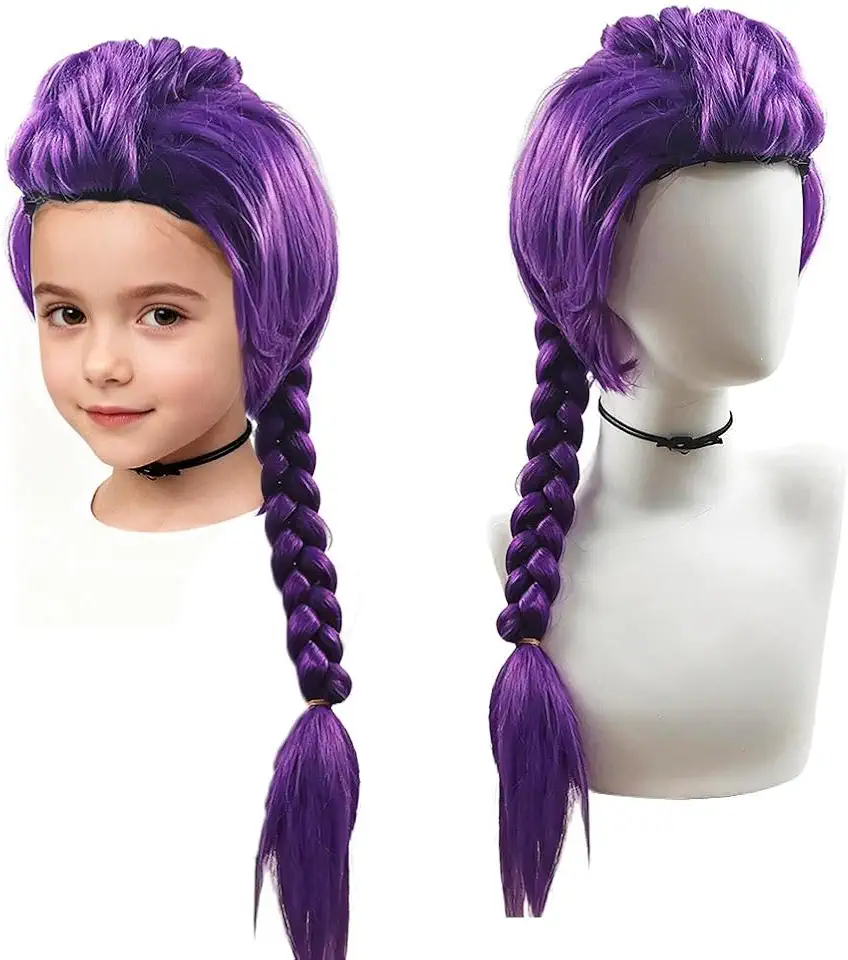
Cosplay Wig, Long Purple Braid Wigs for Kids Girls, Purple Braid Costume Cosplay Wigs, Halloween Costume Wig, Purpl-e Wig with Braided Daily Party, Halloween Accessories Props
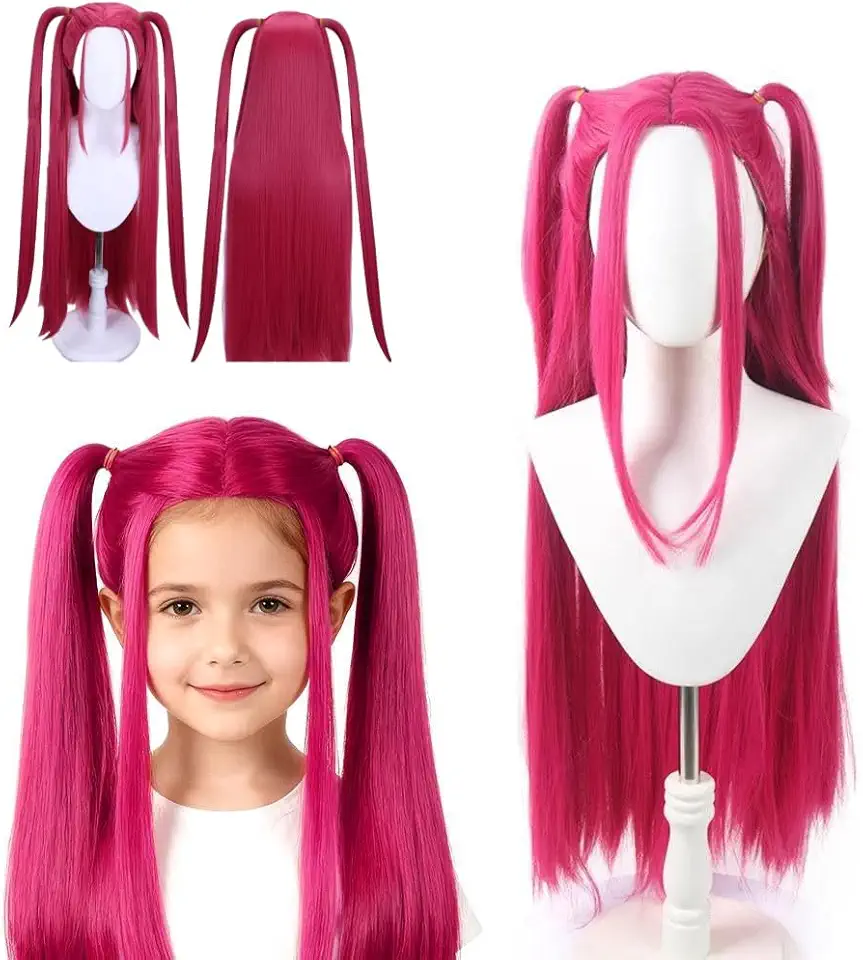
Cosplay Wig, Long Rose Red Wig for Women Girls, Hot Pink Straight Cosplay Wig with Ponytails for Halloween Anime Costume Party

Kotagi Personalized Wedding Anniversary Metal Signs | Custom Name Metal Sign | 50th 60th 40th 30th 25th or Any Year Metal Sign Wedding Gift | Metal Wall Art | Anniversary Gift for Couple Parents

Dyoart Personalized Camping Signs | Custom Metal Sign | Custom Mountain Campfire Sign | Custom Signs Outdoor Metal | Family Name Sign | Personalized Campfire Name Sign | Metal Wall Art | Camping Signs

PERLESMITH TV Wall Mount Full Motion Swivel Dual Articulating Arm for Most 37-82 inch LED, LCD, OLED, Plasma TVs up to VESA 600x400mm, 132lbs

Spiral Notebook, A5 Size 5 Subject Notebooks College Ruled with Tabs and Removable Dividers, 300 Pages 100GSM Thick Spiral Ruled Lined Writing Journal Notebook for Work, School(6.2"x 8.5")

8-Piece Anime Action Figure Set, Mini Figures Set, Cake Toppers, Model Figurine. Perfect for Souvenirs ,Collectibles, Party Favors, for Kids

LEGO NINJAGO Cole’s Elemental Earth Mech Mini Ninja Toy, Customizable Action Figure Adventure Toy with Cole and Wolf Warrior Minifigures, Ninja Gift for Boys, Girls and Kids Ages 7 and Up, 71806

Sprunki Action Figures 24Pcs,Sprunki Mystery Box,Office Room Figurine Decor for Adults
